Match Planet Earth
Cloverdale Paint Planet Earth is a light-reflective shade with an LRV of 72. The matches below are ranked by ΔE, a perceptual color-difference score.
View full Planet Earth color page →

Closest matches across every brand
One match per brand, ranked by ΔE — a perceptual color difference score calculated from Lab color space values. Lower is closer. Click any card to compare side by side in simulated rooms.


Planet Earth reads slightly lighter (LRV 72 vs 69), a gap that shows most in low-lit rooms. At ΔE 0.5 you'd need them side by side to tell them apart.

With LRVs of 72 and 70, the two reflect almost the same amount of light. At ΔE 1.1 you'd need them side by side to tell them apart.

With LRVs of 72 and 70, the two reflect almost the same amount of light. At ΔE 1.7 you'd need them side by side to tell them apart.


Their light reflectance is nearly identical (LRV 72 vs 71), so neither reads brighter in a room. A ΔE of 2.0 means the difference barely reads in a finished room.


With LRVs of 74 and 72, the two reflect almost the same amount of light. At ΔE 3.0 they're clearly different, yet close enough to share a room.


A 5-point LRV gap (72 vs 67) makes Planet Earth the marginally brighter of the two. The ΔE 3.1 gap is real but not dramatic — distinct as a choice, harmonious together.

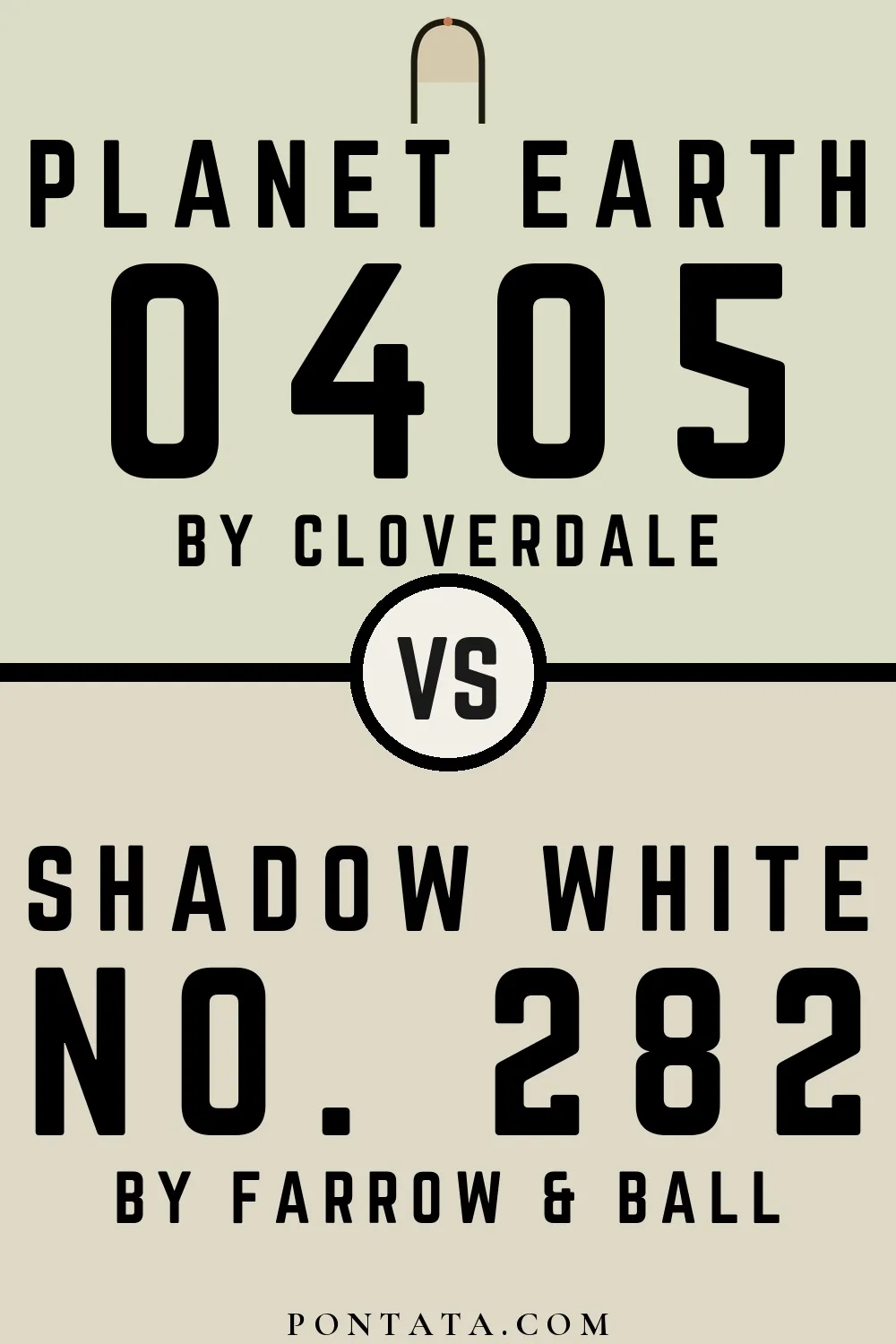

Planet Earth reads slightly lighter (LRV 72 vs 68), a gap that shows most in low-lit rooms. At ΔE 3.3 they're clearly different, yet close enough to share a room.

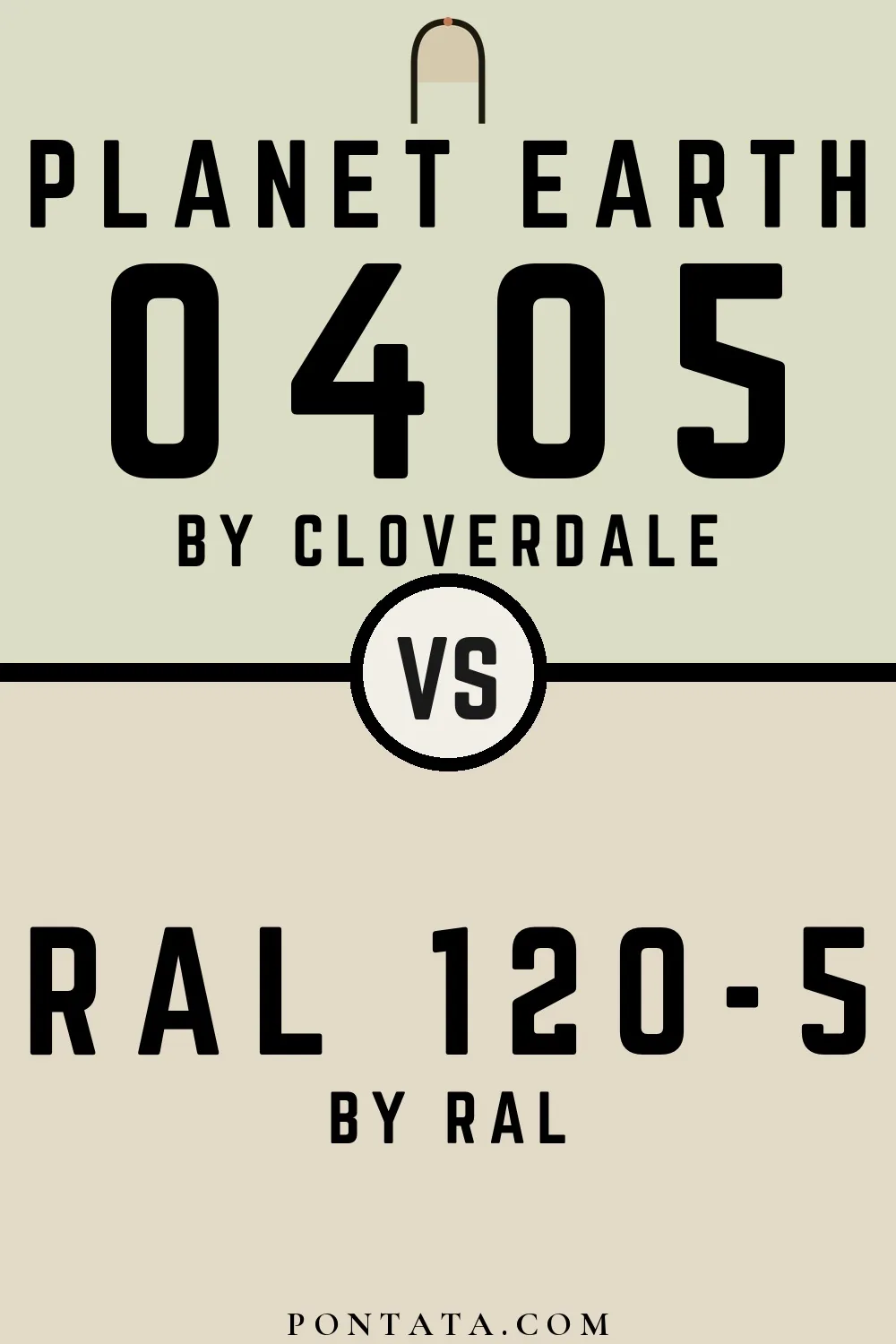

With LRVs of 72 and 70, the two reflect almost the same amount of light. At ΔE 3.5 they're clearly different, yet close enough to share a room.

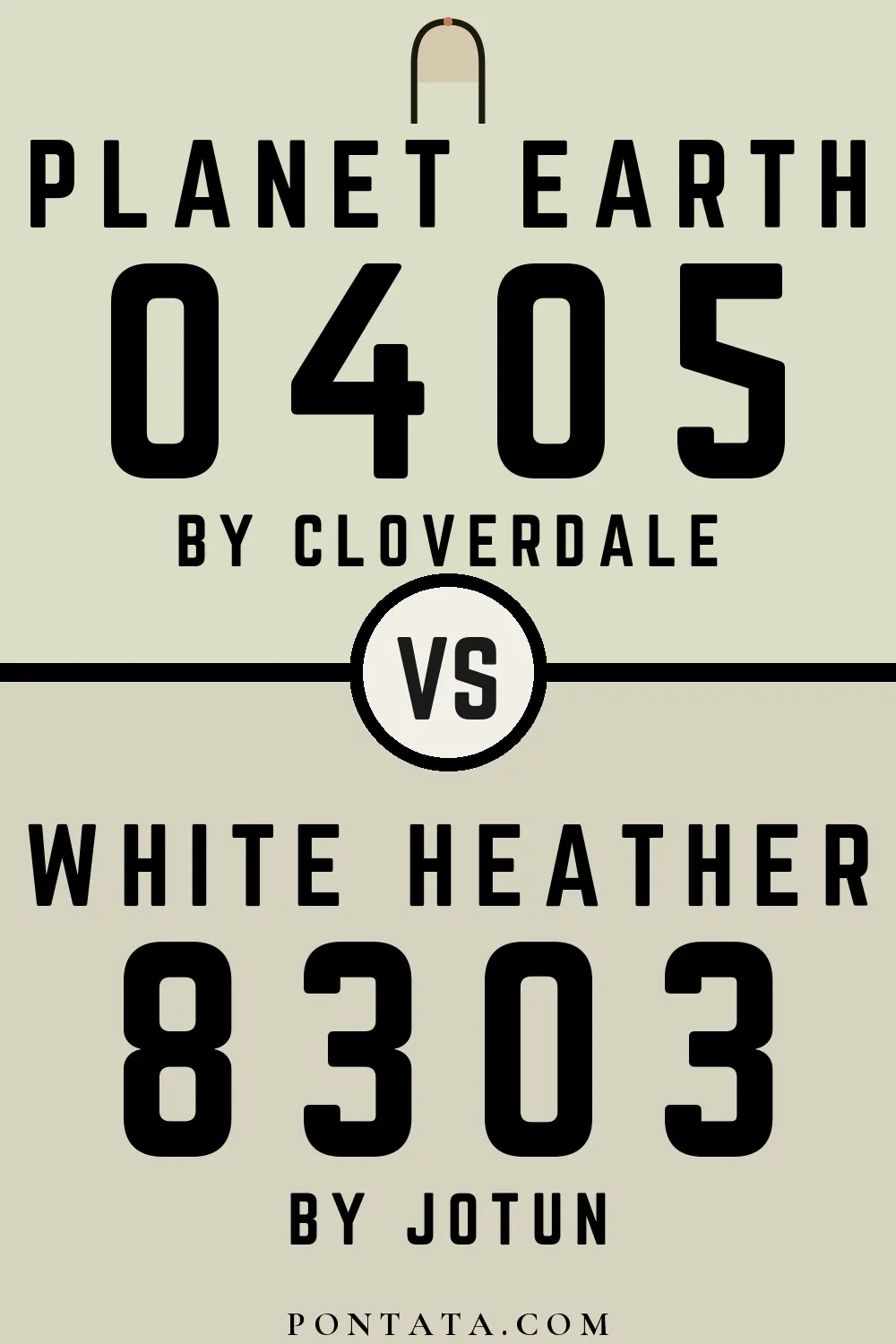

A 8-point LRV gap (72 vs 64) makes Planet Earth the marginally brighter of the two. The ΔE 4.0 gap is real but not dramatic — distinct as a choice, harmonious together.

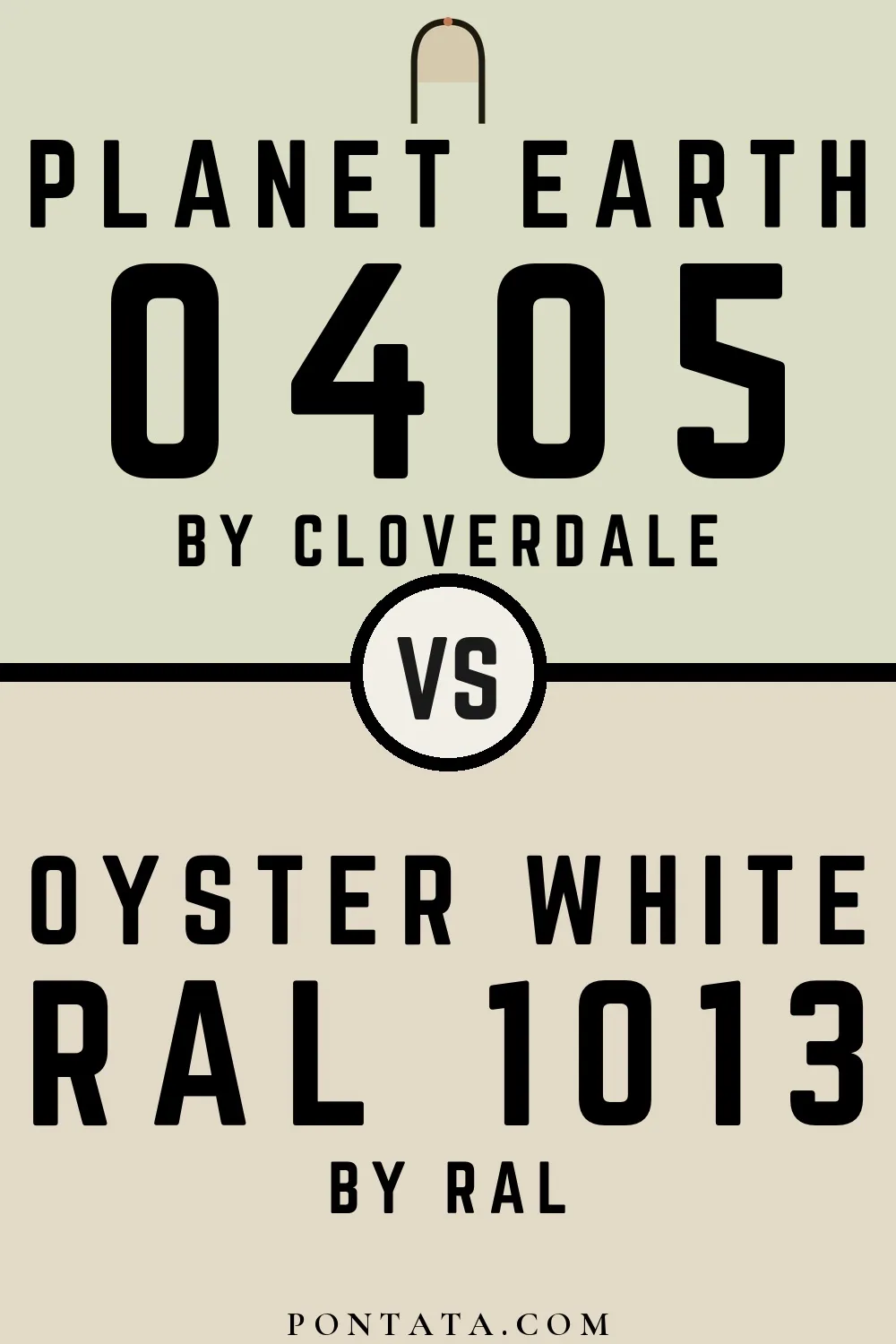

With LRVs of 72 and 71, the two reflect almost the same amount of light. At ΔE 4.1 they're clearly different, yet close enough to share a room.

Planet Earth reads slightly lighter (LRV 72 vs 67), a gap that shows most in low-lit rooms. At ΔE 4.2 they're clearly different, yet close enough to share a room.


A 4-point LRV gap (72 vs 68) makes Planet Earth the marginally brighter of the two. The ΔE 4.5 gap is real but not dramatic — distinct as a choice, harmonious together.


Their light reflectance is nearly identical (LRV 72 vs 70), so neither reads brighter in a room. The ΔE 5.1 gap is real but not dramatic — distinct as a choice, harmonious together.


Their light reflectance is nearly identical (LRV 72 vs 72), so neither reads brighter in a room. The ΔE 6.7 gap is real but not dramatic — distinct as a choice, harmonious together.