Match Lilac Time
PPG Lilac Time is a mid-tone shade with an LRV of 42. The matches below are ranked by ΔE, a perceptual color-difference score.
View full Lilac Time color page →
Closest matches across every brand
One match per brand, ranked by ΔE — a perceptual color difference score calculated from Lab color space values. Lower is closer. Click any card to compare side by side in simulated rooms.


A 3-point LRV gap (42 vs 39) makes Lilac Time the marginally brighter of the two. A ΔE of 2.3 means the difference barely reads in a finished room.
Their light reflectance is nearly identical (LRV 43 vs 42), so neither reads brighter in a room. A ΔE of 2.3 means the difference barely reads in a finished room.


With LRVs of 42 and 42, the two reflect almost the same amount of light. At ΔE 2.3 you'd need them side by side to tell them apart.
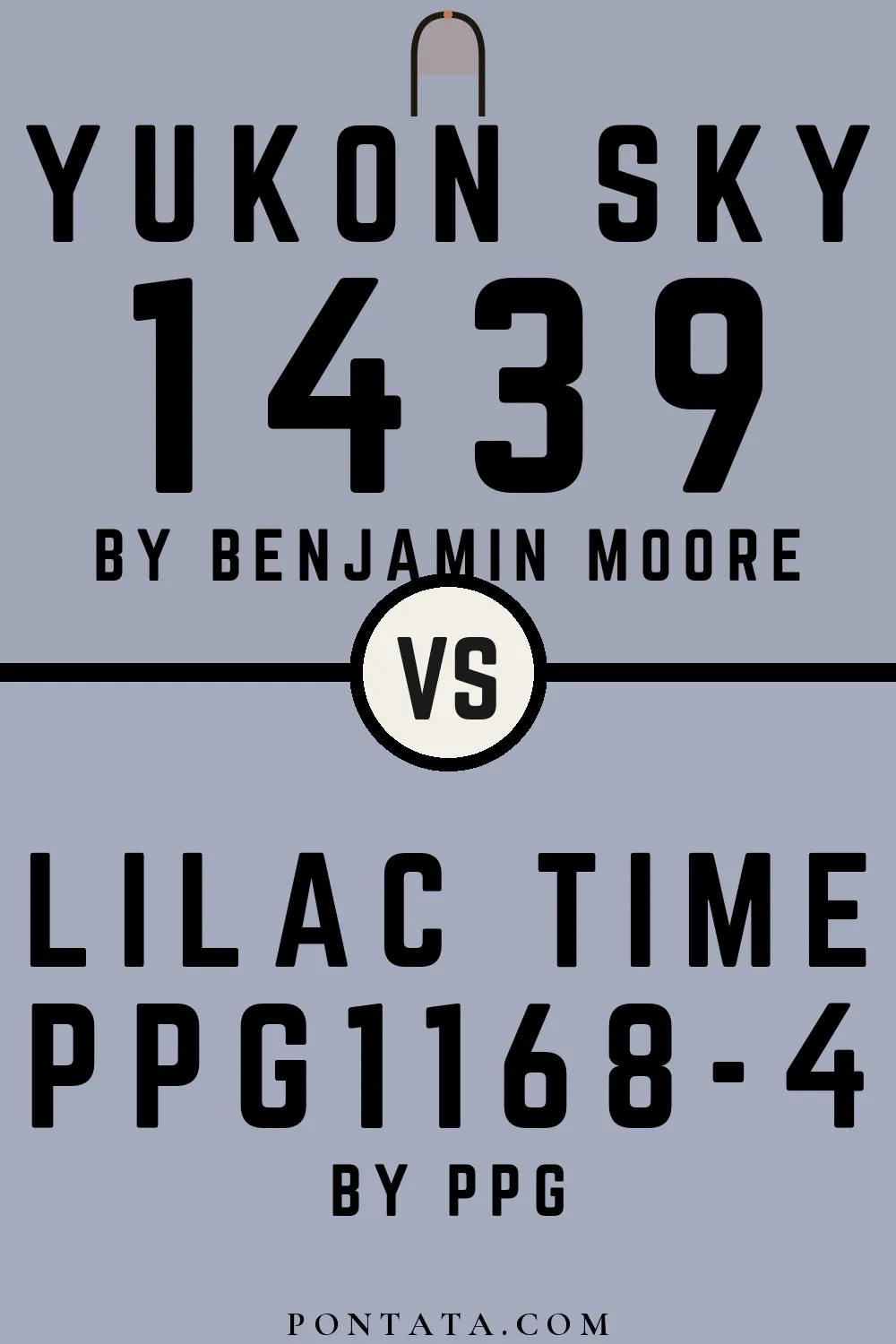

A 3-point LRV gap (42 vs 39) makes Lilac Time the marginally brighter of the two. A ΔE of 2.9 means the difference barely reads in a finished room.


A 4-point LRV gap (46 vs 42) makes Morning Jewel 4 the marginally brighter of the two. The ΔE 3.5 gap is real but not dramatic — distinct as a choice, harmonious together.


A 4-point LRV gap (42 vs 38) makes Lilac Time the marginally brighter of the two. The ΔE 3.7 gap is real but not dramatic — distinct as a choice, harmonious together.

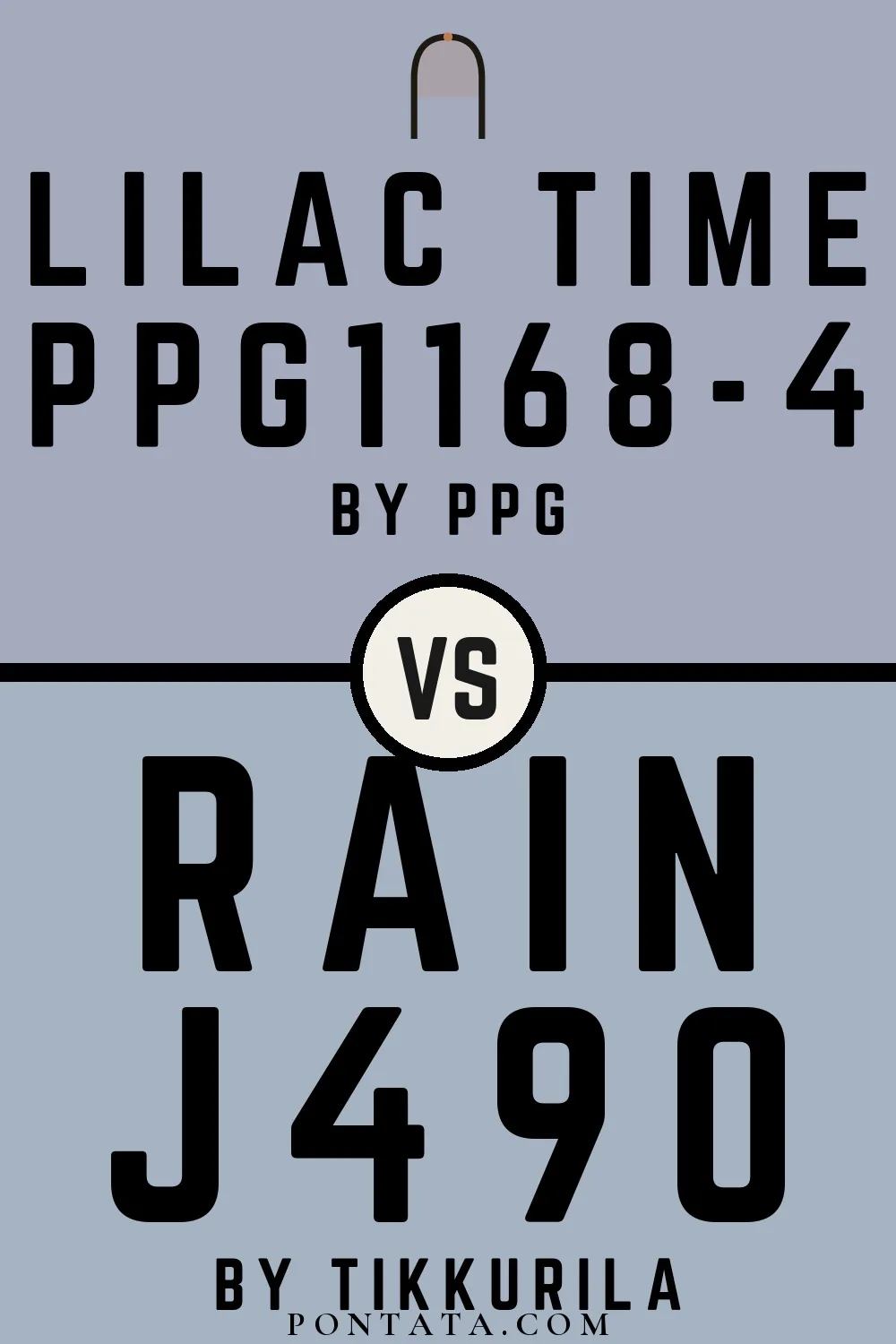

With LRVs of 44 and 42, the two reflect almost the same amount of light. At ΔE 4.5 they're clearly different, yet close enough to share a room.

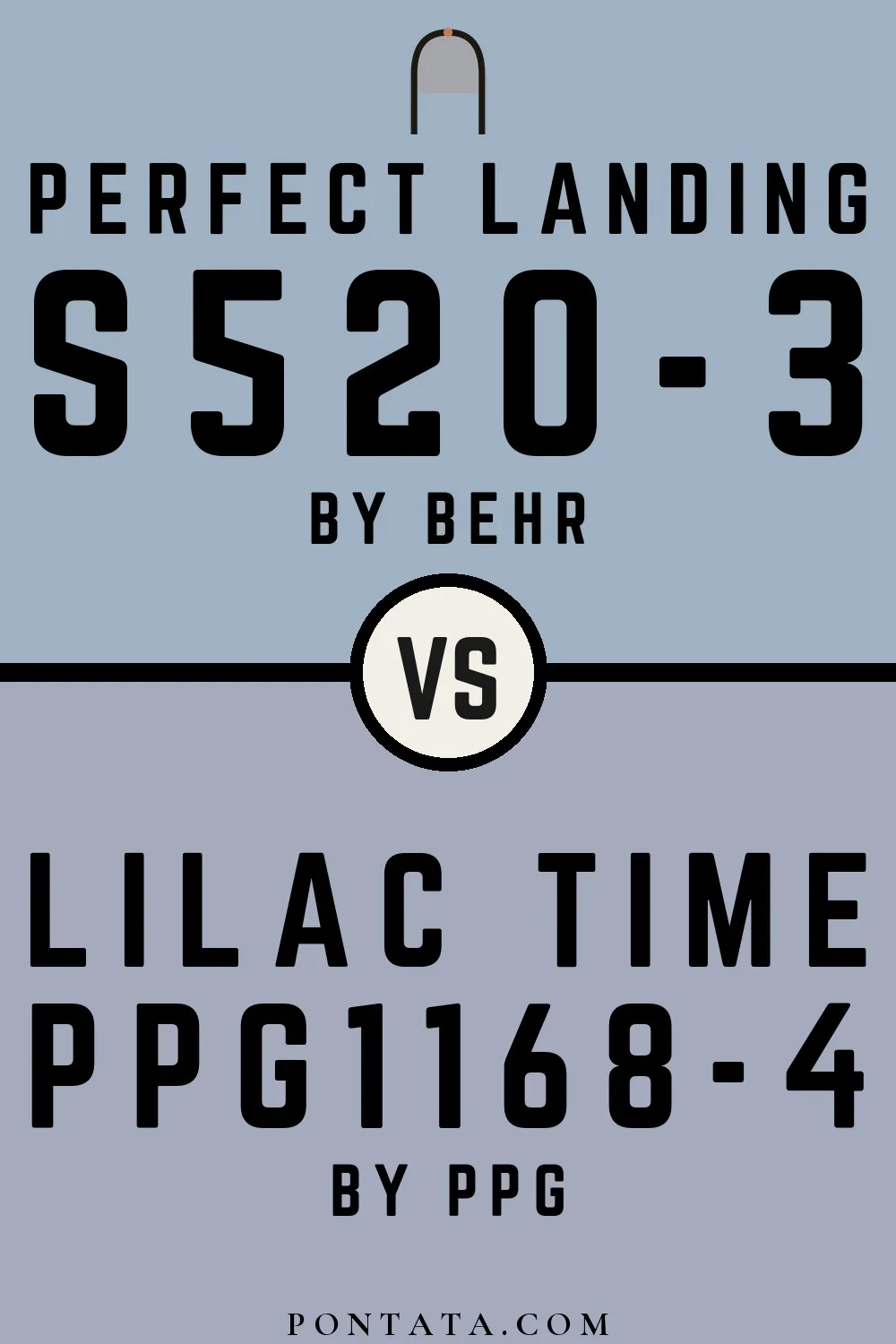

With LRVs of 42 and 42, the two reflect almost the same amount of light. At ΔE 5.1 they're clearly different, yet close enough to share a room.

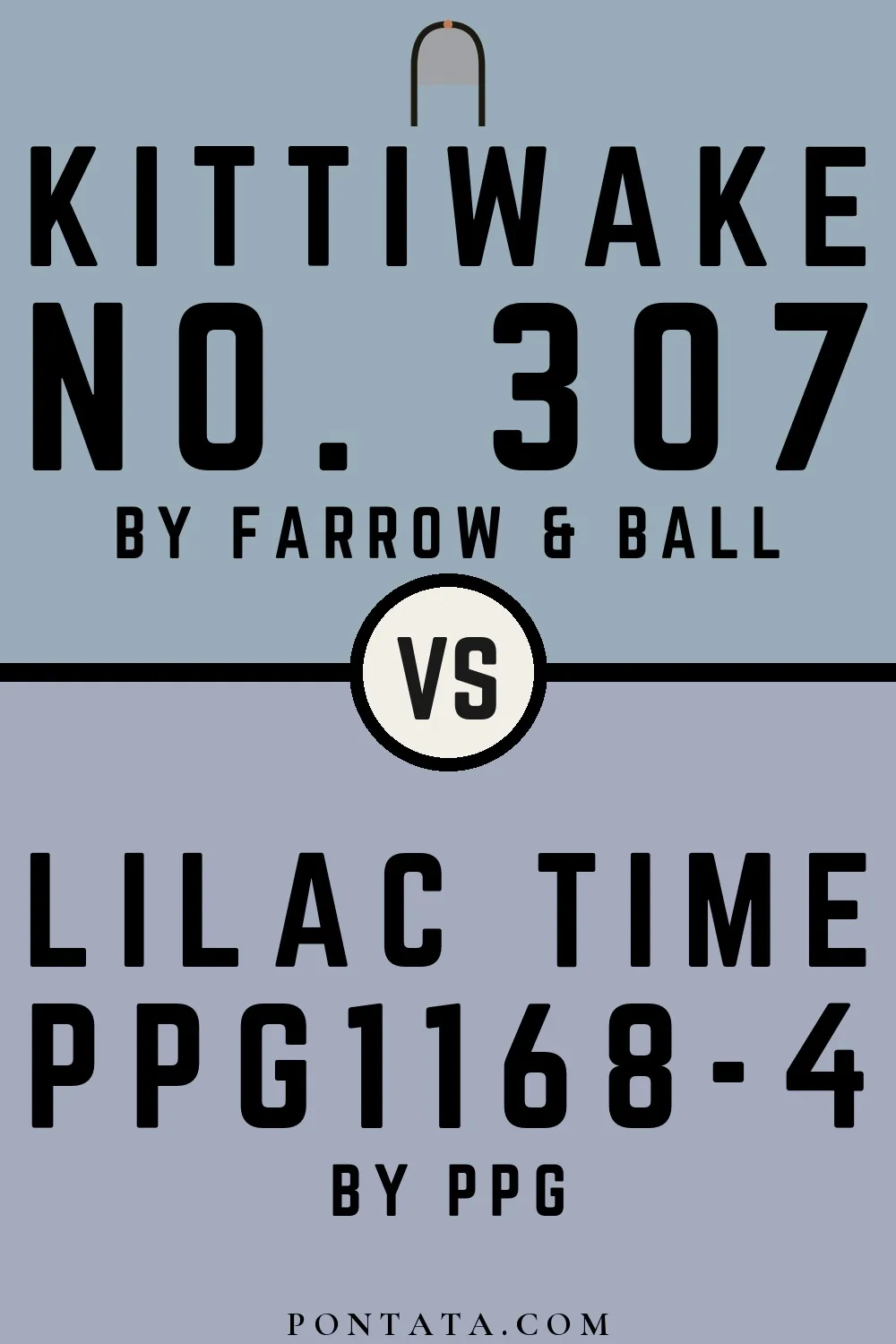

Their light reflectance is nearly identical (LRV 42 vs 39), so neither reads brighter in a room. The ΔE 5.8 gap is real but not dramatic — distinct as a choice, harmonious together.


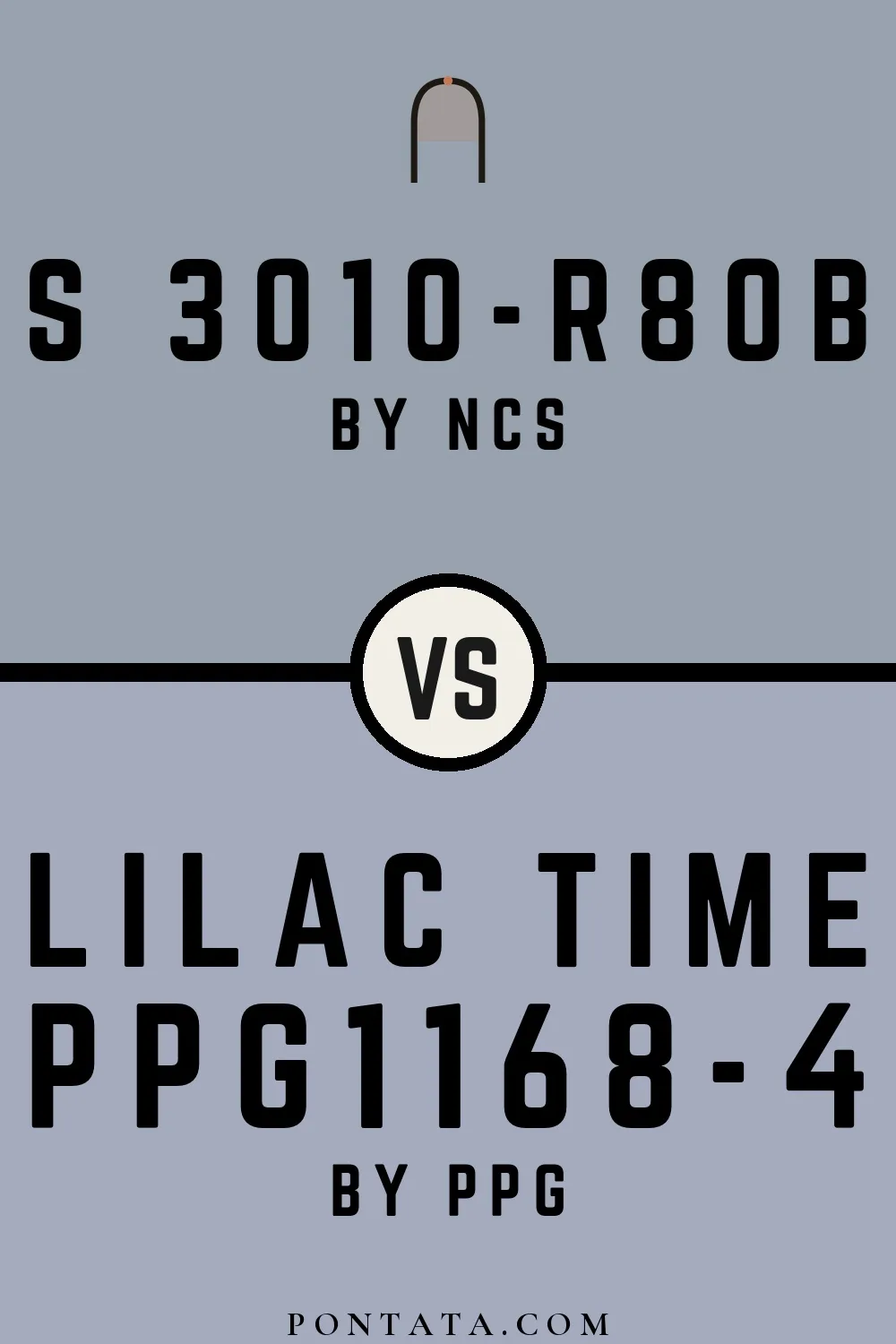

A 6-point LRV gap (42 vs 36) makes Lilac Time the marginally brighter of the two. The ΔE 5.9 gap is real but not dramatic — distinct as a choice, harmonious together.


A 4-point LRV gap (42 vs 38) makes Lilac Time the marginally brighter of the two. The ΔE 6.6 gap is real but not dramatic — distinct as a choice, harmonious together.

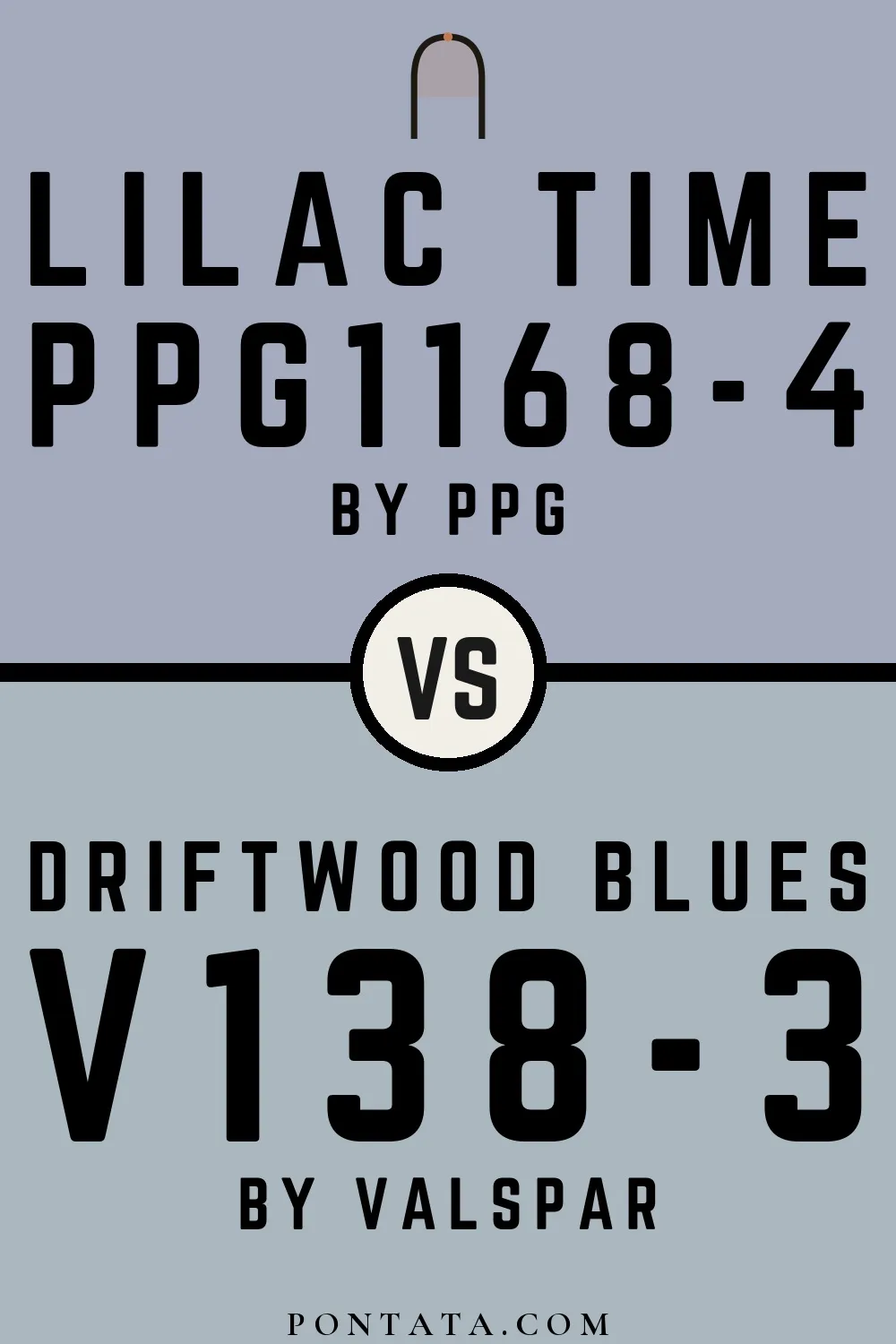

A 4-point LRV gap (46 vs 42) makes Driftwood Blues the marginally brighter of the two. The ΔE 8.0 gap is real but not dramatic — distinct as a choice, harmonious together.

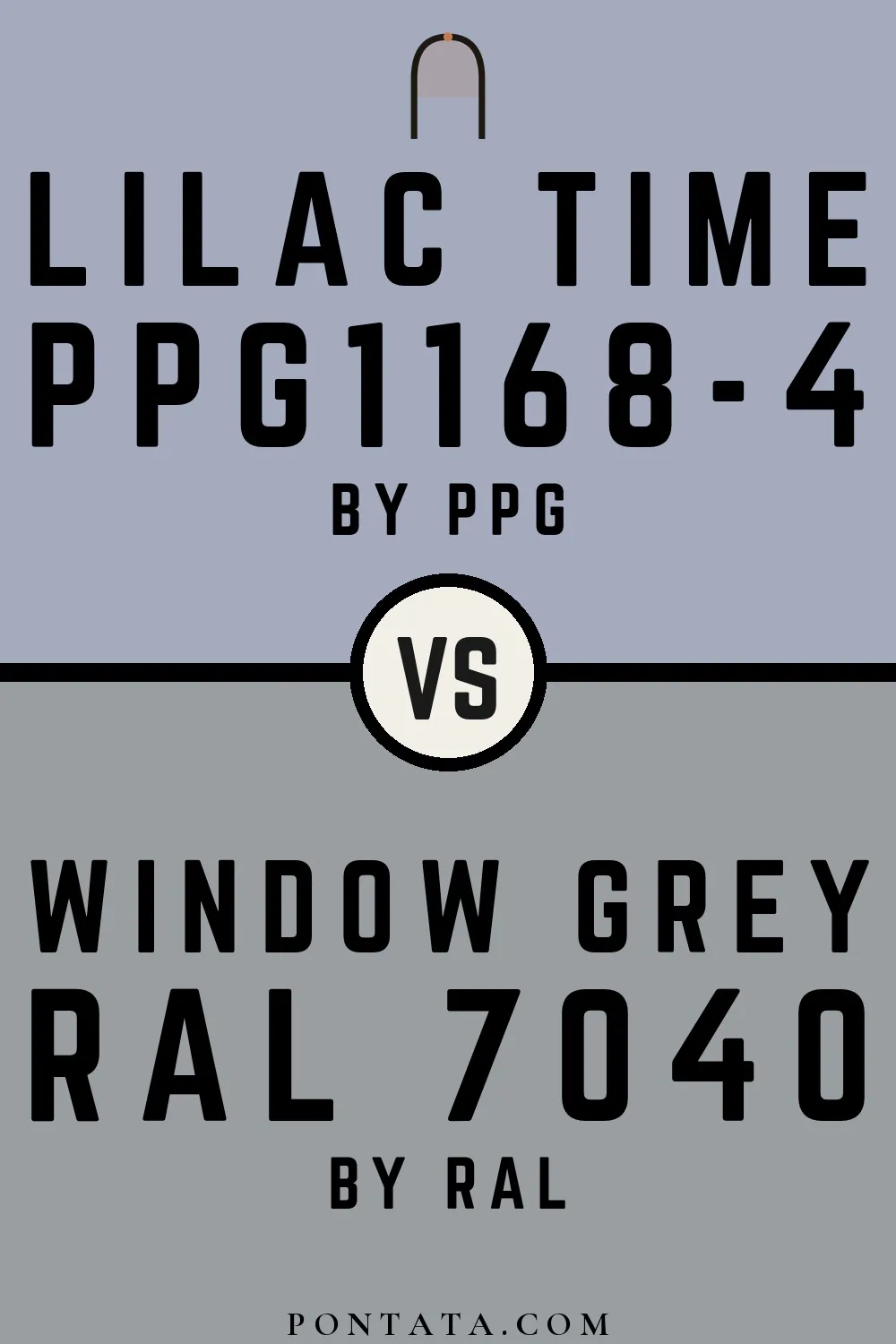

Lilac Time reads slightly lighter (LRV 42 vs 36), a gap that shows most in low-lit rooms. At ΔE 10.7 these are two genuinely different directions, not variations on a theme.