Match Muddy River
PPG Muddy River is a deep, low-reflectance shade with an LRV of 10. The matches below are ranked by ΔE, a perceptual color-difference score.
View full Muddy River color page →
Closest matches across every brand
One match per brand, ranked by ΔE — a perceptual color difference score calculated from Lab color space values. Lower is closer. Click any card to compare side by side in simulated rooms.
A 3-point LRV gap (13 vs 10) makes Olive Wood the marginally brighter of the two. A ΔE of 2.5 means the difference barely reads in a finished room.


With LRVs of 13 and 10, the two reflect almost the same amount of light. At ΔE 2.9 you'd need them side by side to tell them apart.


Tamarind reads slightly lighter (LRV 14 vs 10), a gap that shows most in low-lit rooms. At ΔE 3.9 they're clearly different, yet close enough to share a room.


Queen Lioness reads slightly lighter (LRV 14 vs 10), a gap that shows most in low-lit rooms. At ΔE 4.1 they're clearly different, yet close enough to share a room.

At LRV 28 vs 10, Pearl gold is decisively the brighter choice. The ΔE 5.7 gap is real but not dramatic — distinct as a choice, harmonious together.
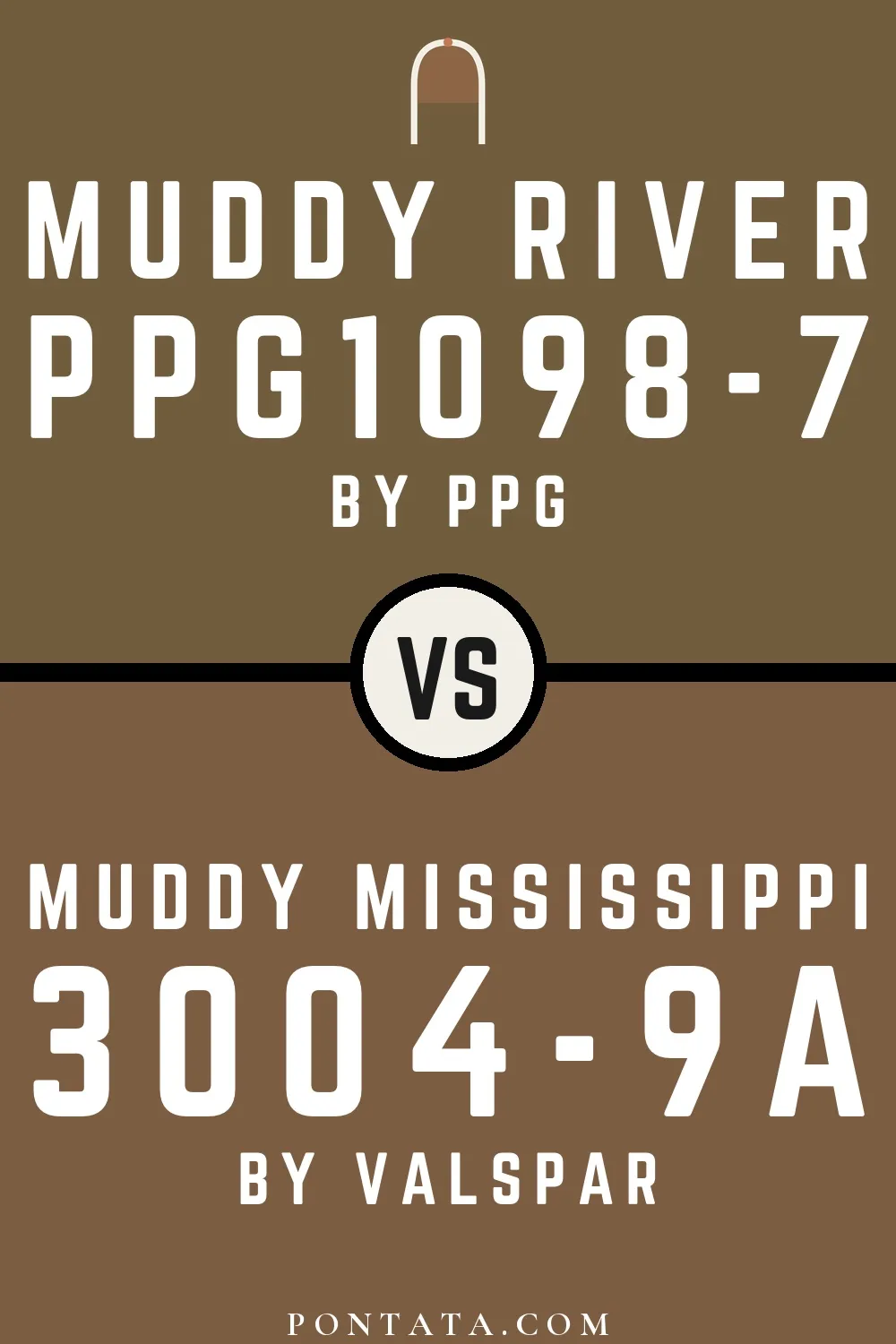

Their light reflectance is nearly identical (LRV 13 vs 10), so neither reads brighter in a room. The ΔE 6.2 gap is real but not dramatic — distinct as a choice, harmonious together.
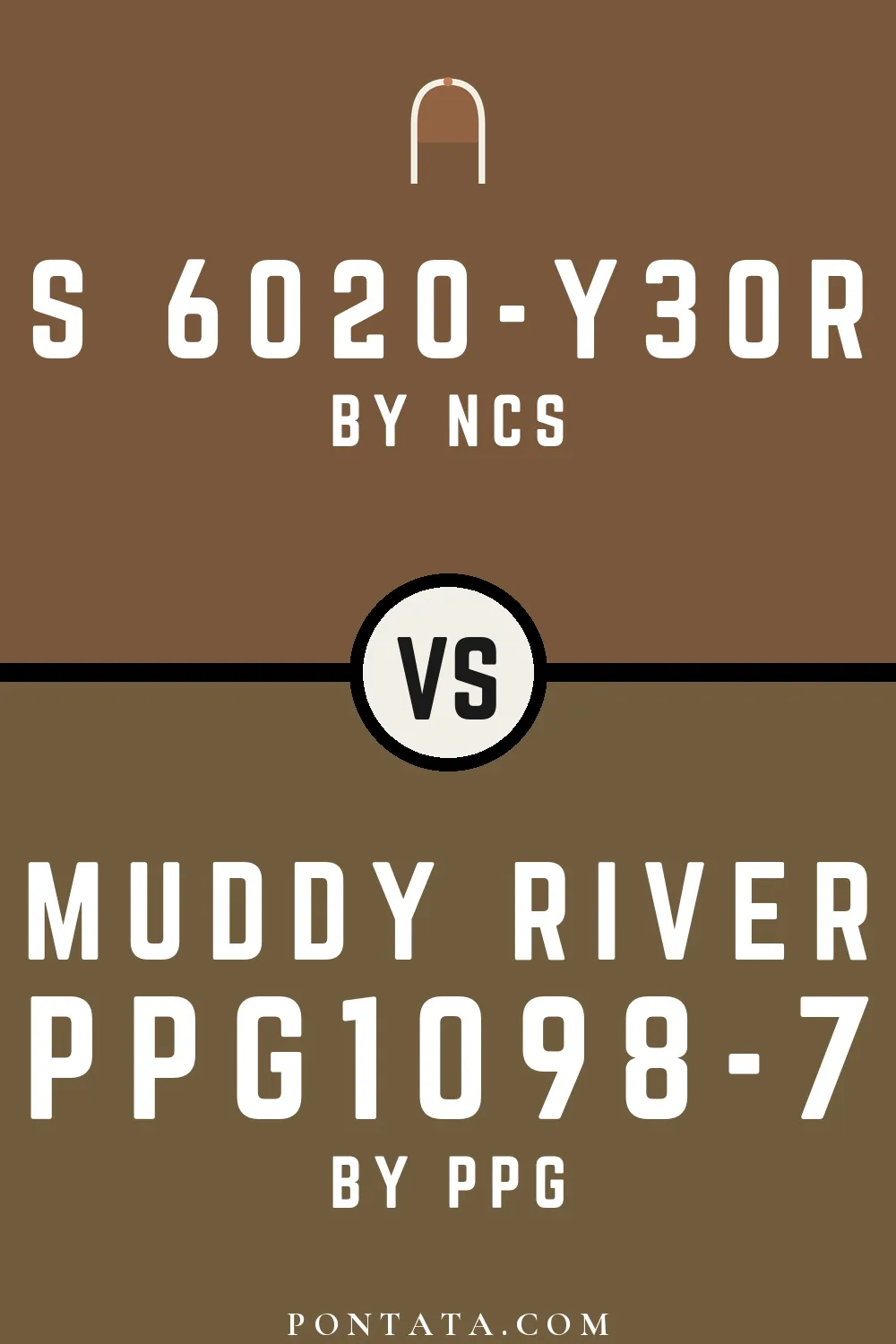

With LRVs of 11 and 10, the two reflect almost the same amount of light. At ΔE 7.1 they're clearly different, yet close enough to share a room.

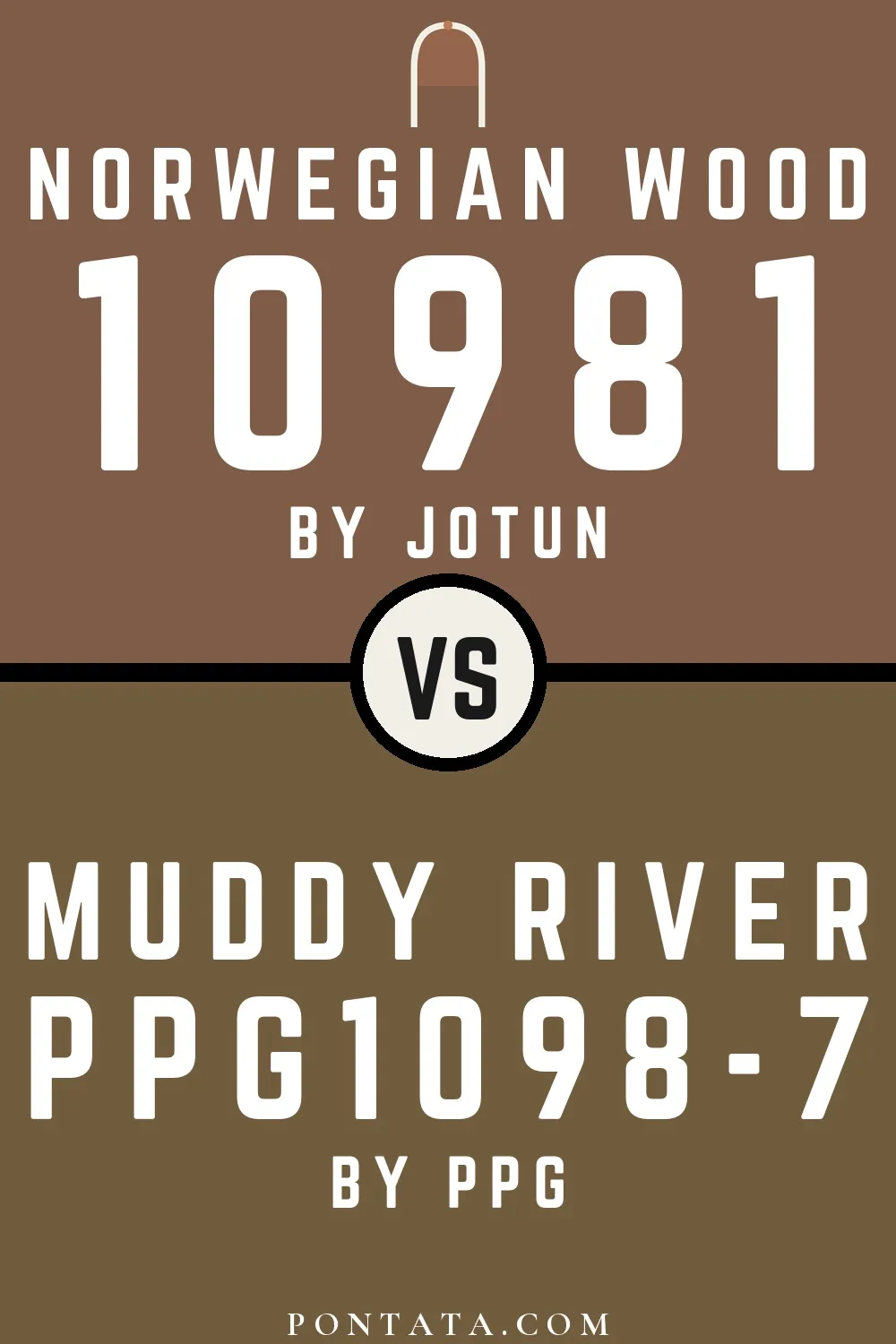

Their light reflectance is nearly identical (LRV 13 vs 10), so neither reads brighter in a room. The ΔE 9.0 gap is real but not dramatic — distinct as a choice, harmonious together.


Their light reflectance is nearly identical (LRV 10 vs 10), so neither reads brighter in a room. The ΔE 9.3 gap is real but not dramatic — distinct as a choice, harmonious together.


A 3-point LRV gap (10 vs 7) makes Muddy River the marginally brighter of the two. A ΔE of 10.6 puts them firmly in different territory — a strong contrast if combined.


Bancha reads slightly lighter (LRV 13 vs 10), a gap that shows most in low-lit rooms. At ΔE 11.0 these are two genuinely different directions, not variations on a theme.


With LRVs of 10 and 8, the two reflect almost the same amount of light. At ΔE 11.6 these are two genuinely different directions, not variations on a theme.


RAL 770-3 reads slightly lighter (LRV 17 vs 10), a gap that shows most in low-lit rooms. At ΔE 11.9 these are two genuinely different directions, not variations on a theme.


With LRVs of 10 and 10, the two reflect almost the same amount of light. At ΔE 12.7 these are two genuinely different directions, not variations on a theme.