
Rich Clay Brown
There is more to Benjamin Moore Rich Clay Brown (2164-30) than the swatch alone: its depth, undertones and setting all shape the final impression. Its LRV of 15.9 gives it real visual weight, allowing the color to hold a wall rather than simply recede from view. Its related shades below reveal where the color harmonizes—and where contrast brings it fully to life.
Hex
#8A6348LRV
15.93
Coordinating Colors


Sail Cloth reflects far more light (LRV 72 vs 16), opening up a space where Rich Clay Brown encloses it.


At LRV 56 vs 16, Smoke is decisively the brighter choice.


Alabaster reflects far more light (LRV 85 vs 16), opening up a space where Rich Clay Brown encloses it.

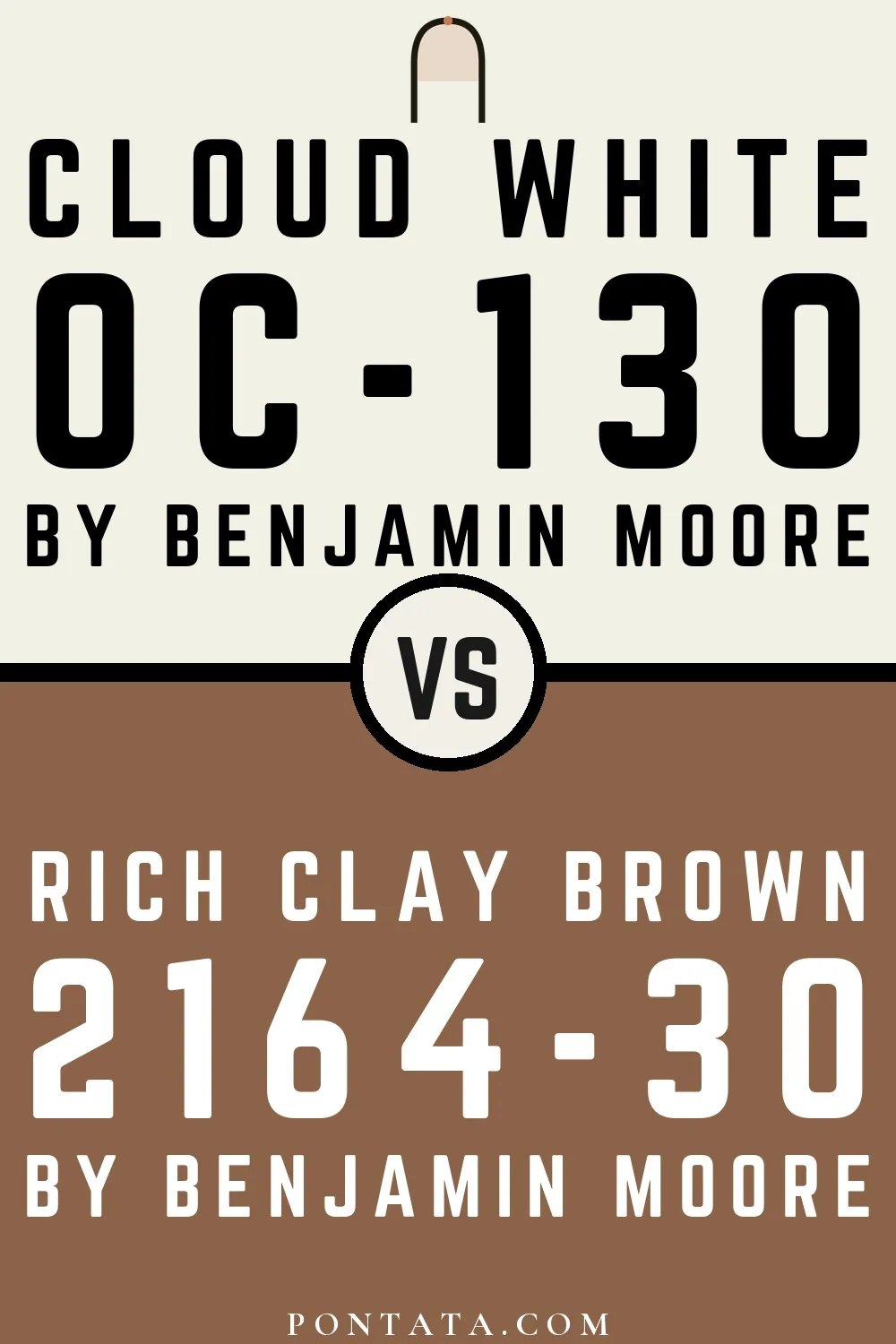
Cloud White reflects far more light (LRV 85 vs 16), opening up a space where Rich Clay Brown encloses it.
Similar Colors


With LRVs of 16 and 15, the two reflect almost the same amount of light.


Their light reflectance is nearly identical (LRV 16 vs 16), so neither reads brighter in a room.


A 3-point LRV gap (16 vs 13) makes Rich Clay Brown the marginally brighter of the two.


With LRVs of 16 and 13, the two reflect almost the same amount of light.
Complementary Colors


Blue Lace reflects far more light (LRV 66 vs 16), opening up a space where Rich Clay Brown encloses it.


Providence Blue reads slightly lighter (LRV 19 vs 16), a gap that shows most in low-lit rooms.


At LRV 31 vs 16, Van Courtland Blue is decisively the brighter choice.


Their light reflectance is nearly identical (LRV 16 vs 14), so neither reads brighter in a room.


With LRVs of 17 and 16, the two reflect almost the same amount of light.

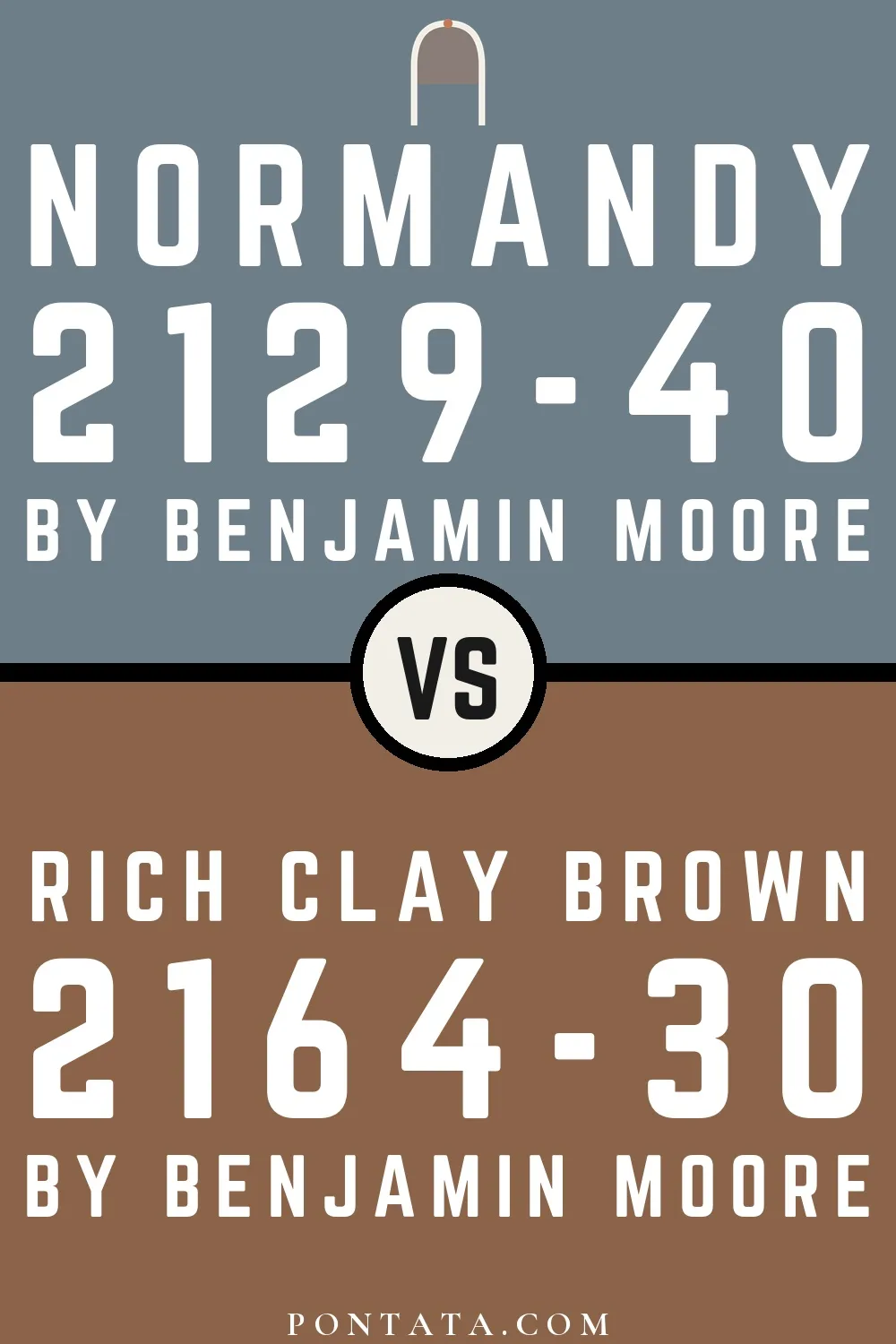
A 6-point LRV gap (22 vs 16) makes Normandy the marginally brighter of the two.
Lighter Colors


Their light reflectance is nearly identical (LRV 17 vs 16), so neither reads brighter in a room.


Antique Copper reads slightly lighter (LRV 20 vs 16), a gap that shows most in low-lit rooms.


With LRVs of 19 and 16, the two reflect almost the same amount of light.


Their light reflectance is nearly identical (LRV 18 vs 16), so neither reads brighter in a room.


A 12-point LRV gap (28 vs 16) makes Jackson Tan the marginally brighter of the two.
Darker Colors
A 3-point LRV gap (16 vs 13) makes Rich Clay Brown the marginally brighter of the two.


A 5-point LRV gap (16 vs 10) makes Rich Clay Brown the marginally brighter of the two.


Rich Clay Brown reads slightly lighter (LRV 16 vs 12), a gap that shows most in low-lit rooms.


A 8-point LRV gap (16 vs 8) makes Rich Clay Brown the marginally brighter of the two.


A 4-point LRV gap (16 vs 12) makes Rich Clay Brown the marginally brighter of the two.
Color Codes
Manufacturer description
Evocative of sunbaked pottery, this attractive shade is distinguished by a touch of orange.