
Tawny
There is more to Benjamin Moore Tawny (2161-20) than the swatch alone: its depth, undertones and setting all shape the final impression. An LRV of 19.3 places it through the middle of the scale, where color and depth can remain visible as the light changes. Explore its color relationships and measurements, then bring the shortlist into your own light with a physical sample.
Hex
#9F7247LRV
19.25
Coordinating Colors


Moonlight White reflects far more light (LRV 83 vs 19), opening up a space where Tawny encloses it.


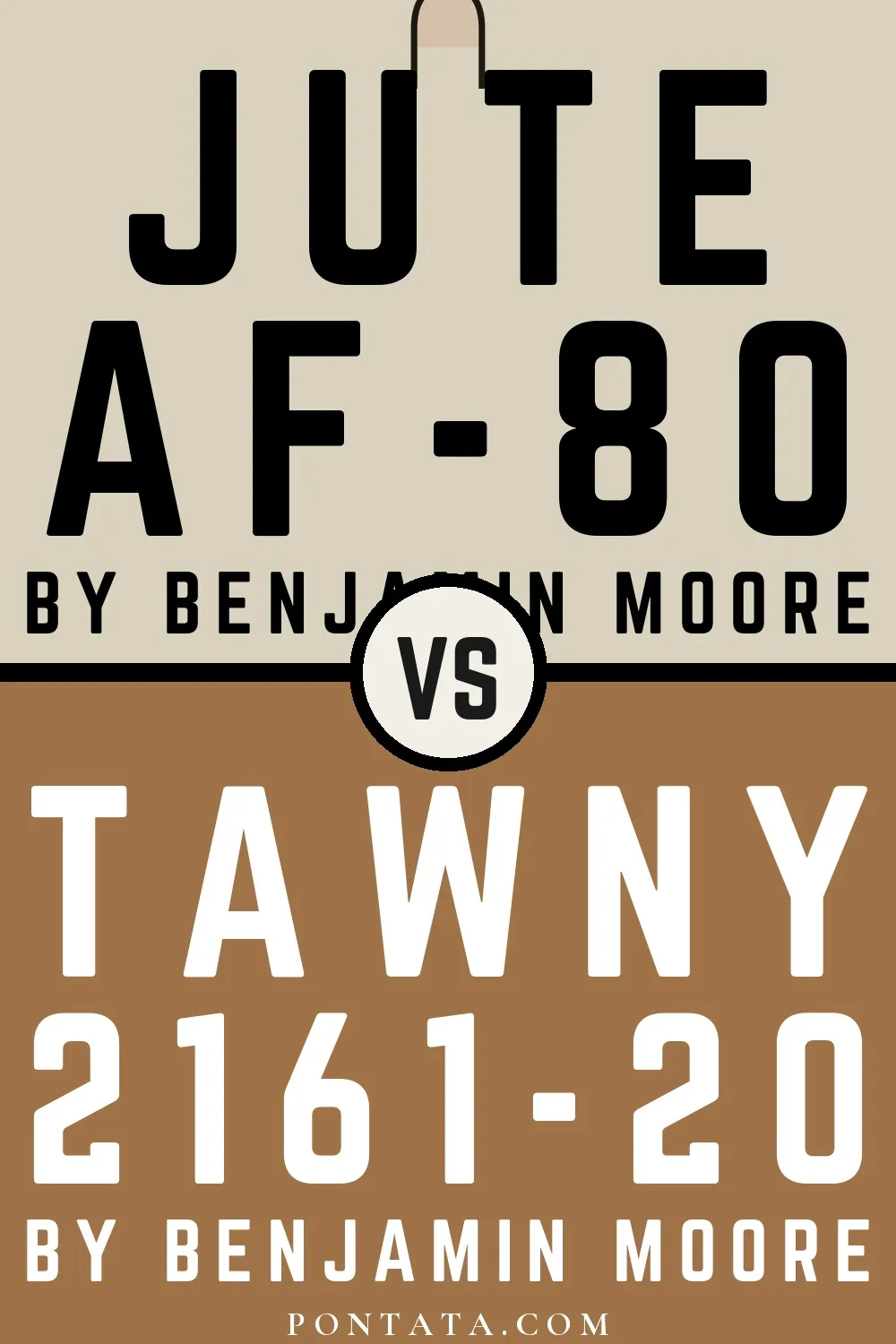


Simply White reflects far more light (LRV 90 vs 19), opening up a space where Tawny encloses it.
Similar Colors


With LRVs of 19 and 18, the two reflect almost the same amount of light.


With LRVs of 19 and 19, the two reflect almost the same amount of light.


With LRVs of 19 and 19, the two reflect almost the same amount of light.
Complementary Colors


With LRVs of 19 and 19, the two reflect almost the same amount of light.


At LRV 31 vs 19, Van Courtland Blue is decisively the brighter choice.


A 5-point LRV gap (19 vs 14) makes Tawny the marginally brighter of the two.

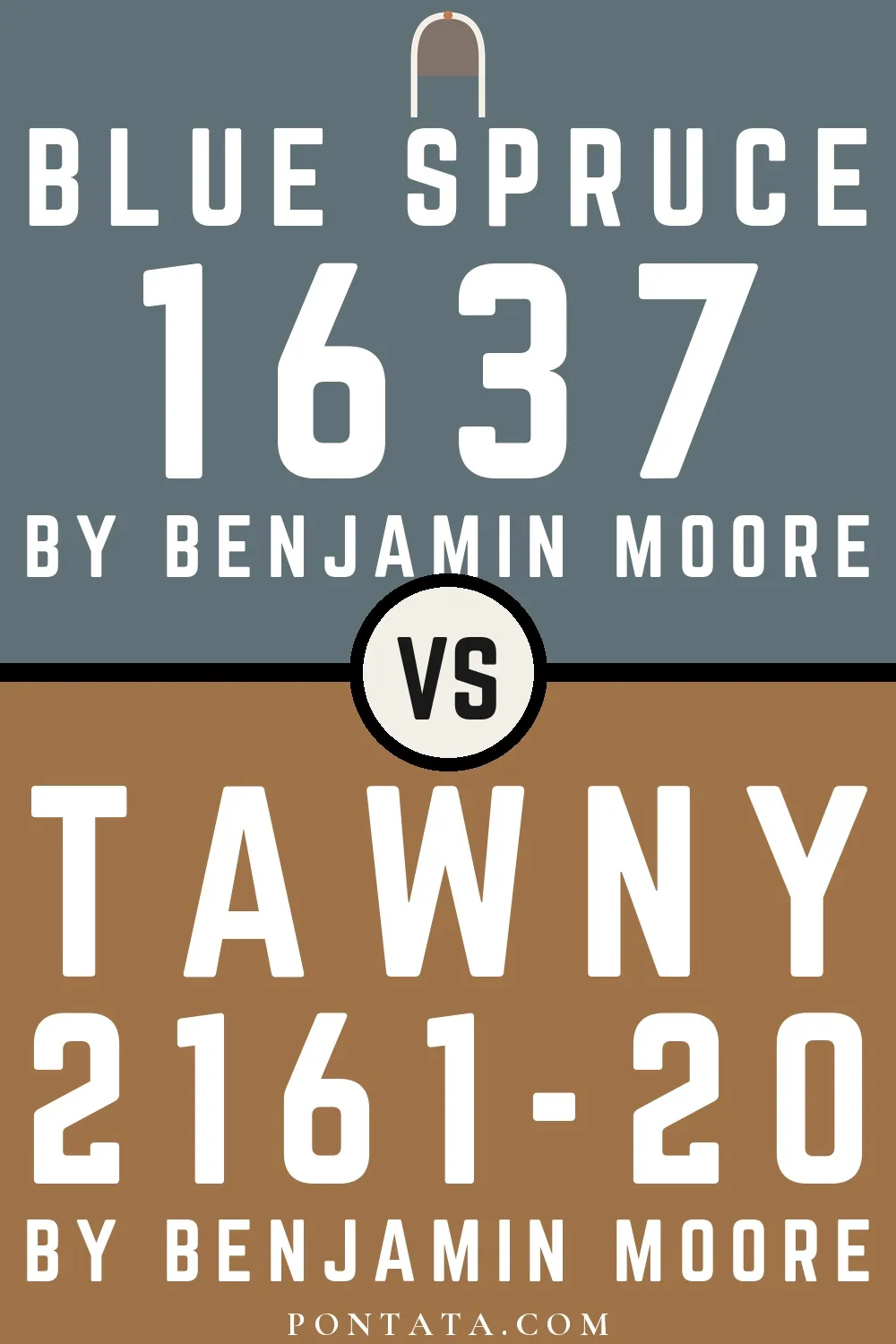
With LRVs of 19 and 17, the two reflect almost the same amount of light.

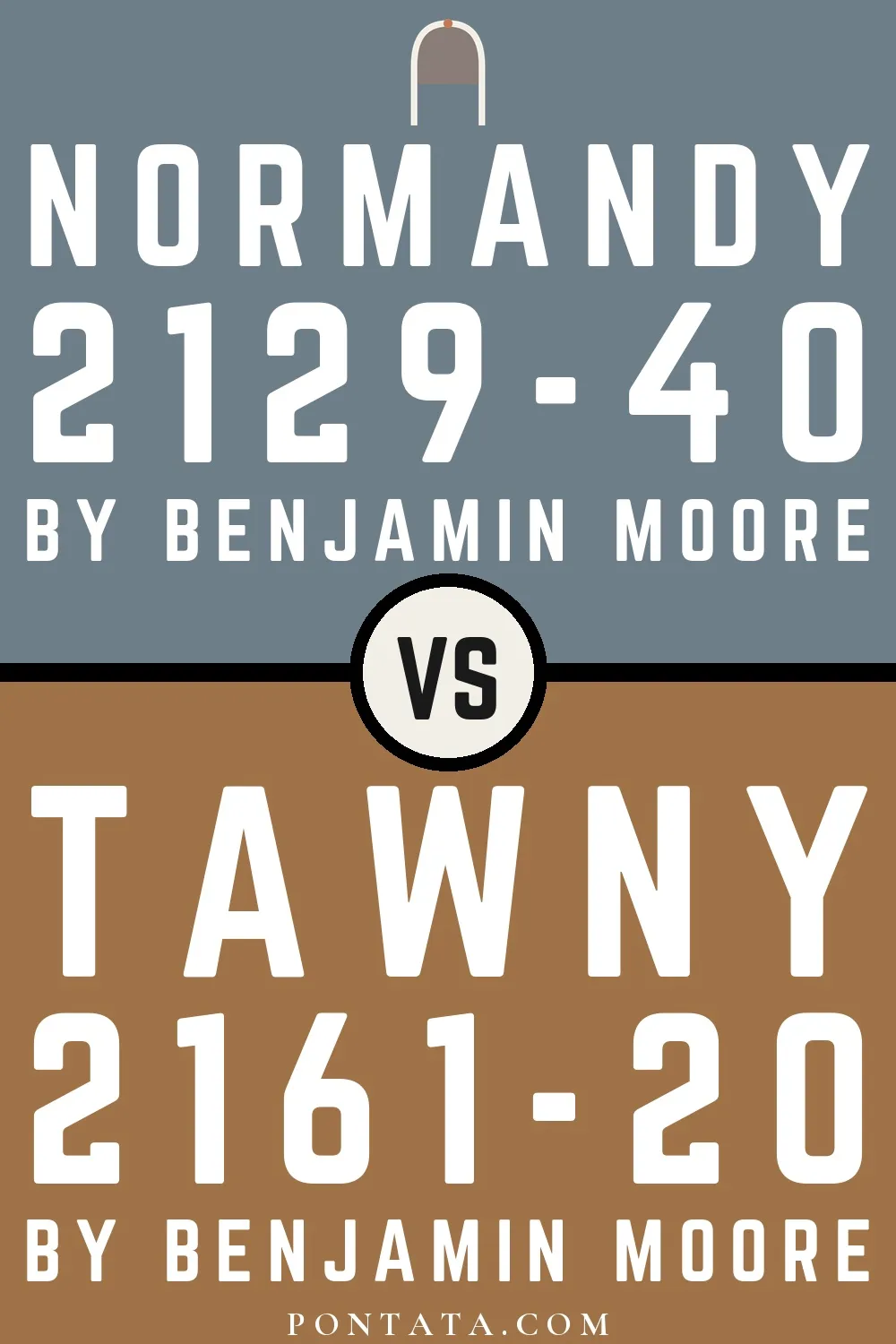

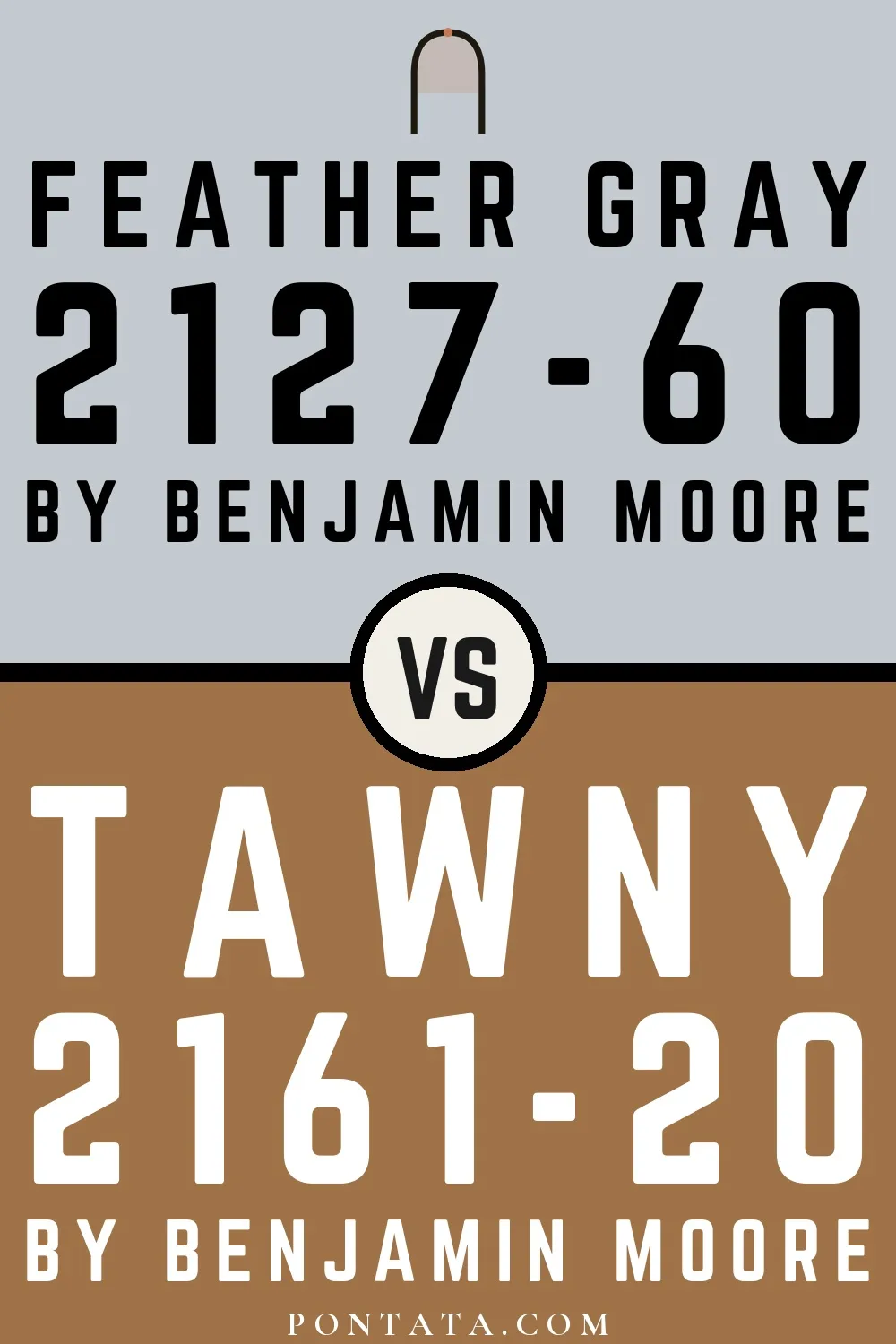
Feather Gray reflects far more light (LRV 58 vs 19), opening up a space where Tawny encloses it.
Lighter Colors

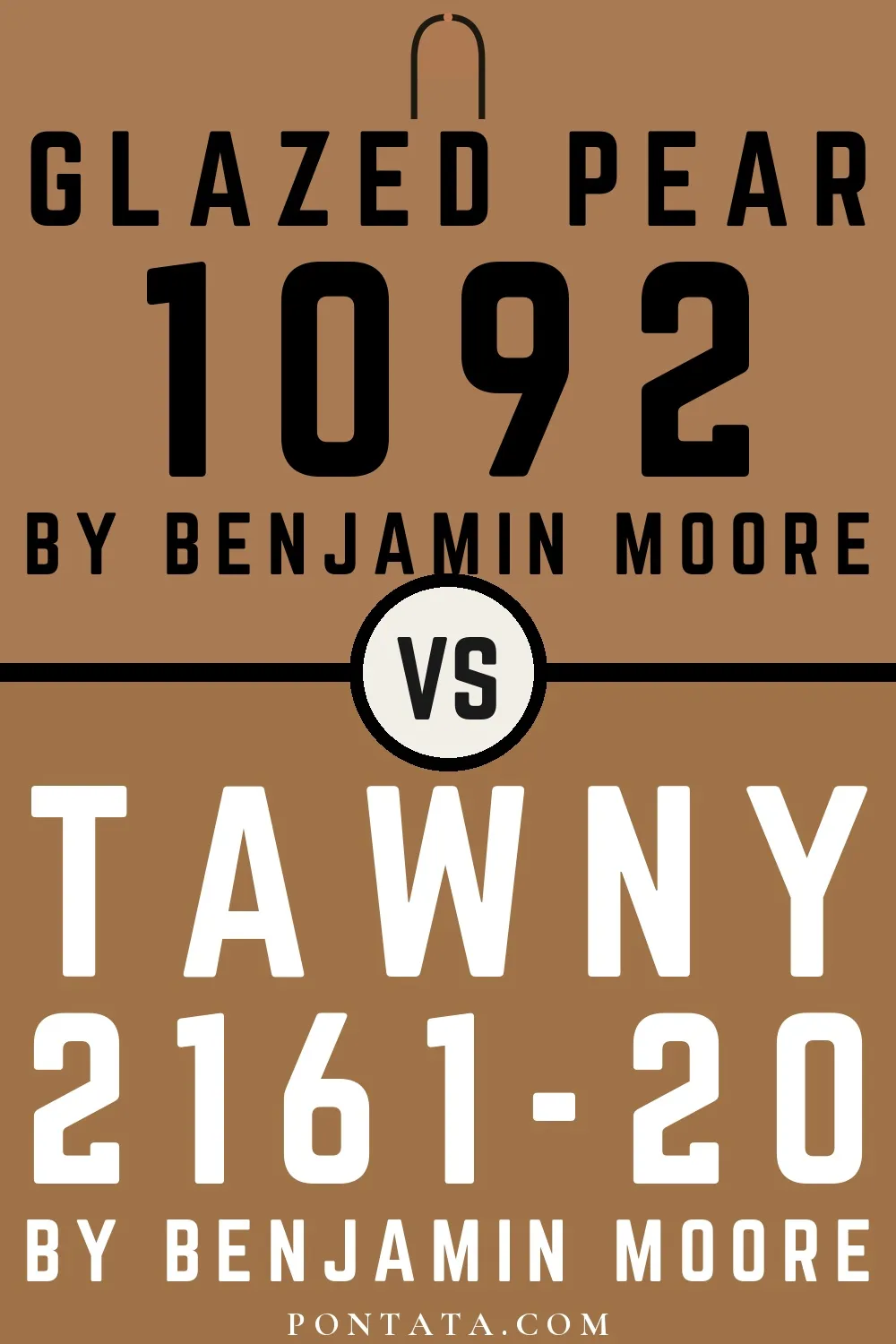
Glazed Pear reads slightly lighter (LRV 24 vs 19), a gap that shows most in low-lit rooms.

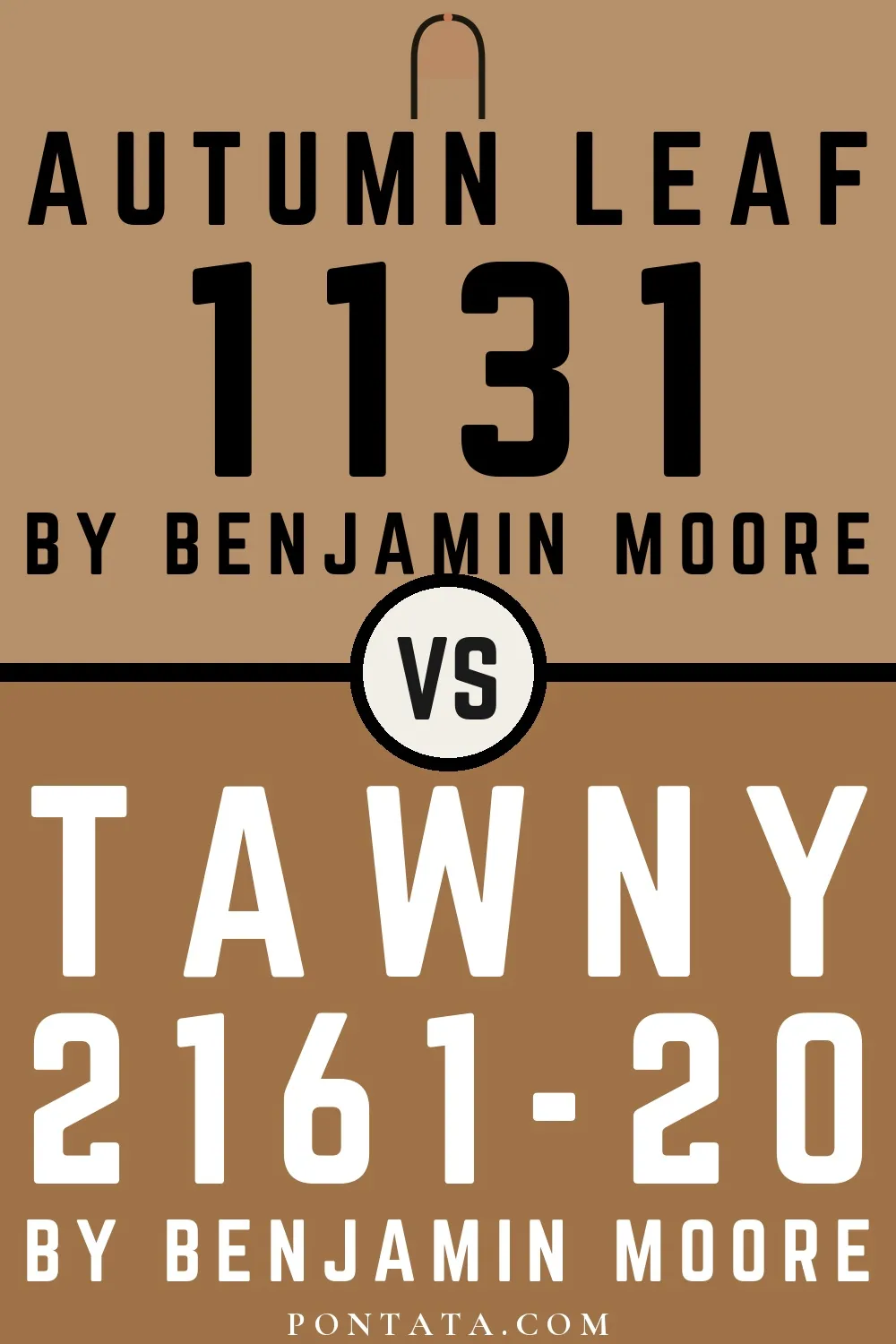
A 11-point LRV gap (31 vs 19) makes Autumn Leaf the marginally brighter of the two.


A 6-point LRV gap (26 vs 19) makes Gladstone Tan the marginally brighter of the two.

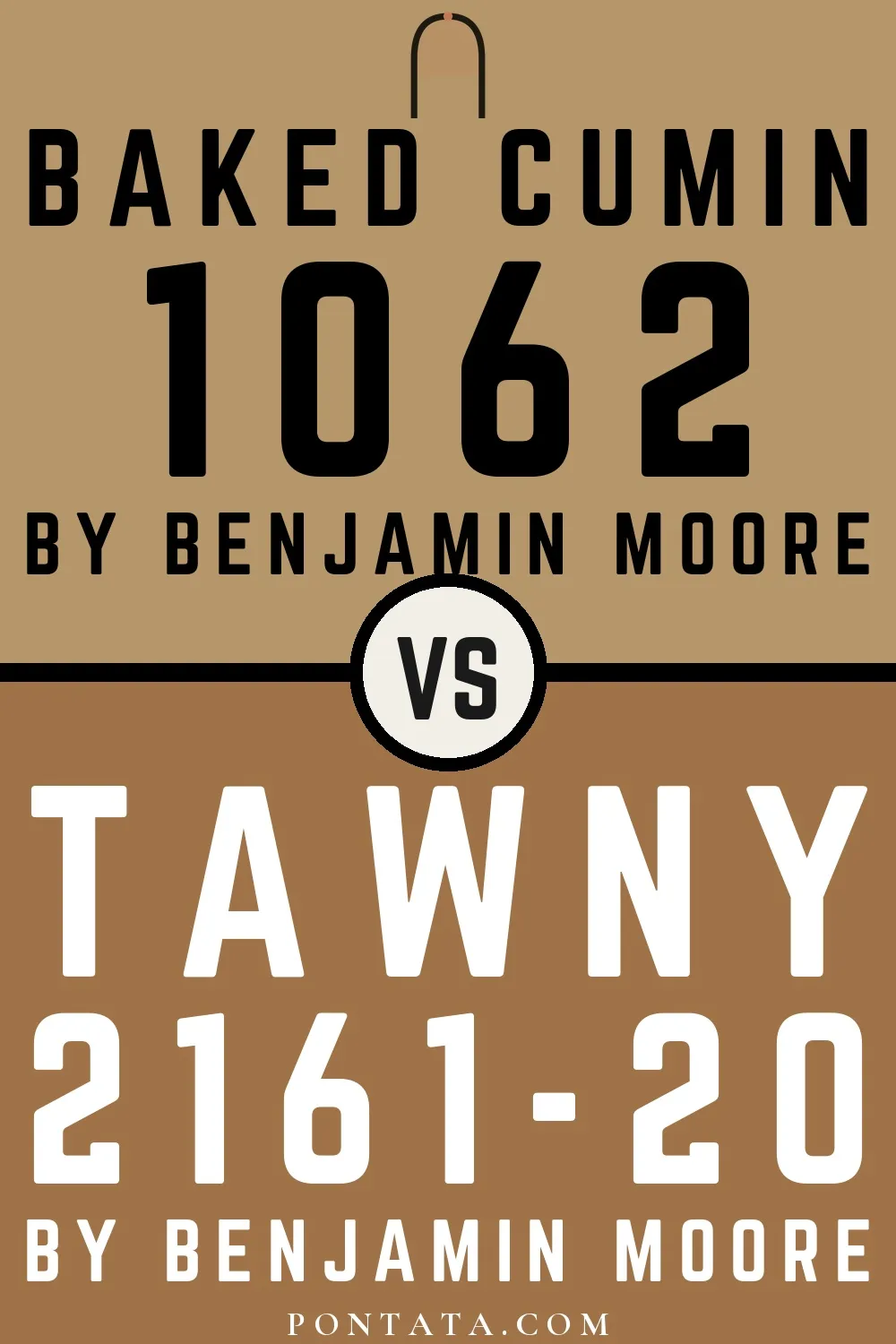
At LRV 32 vs 19, Baked Cumin is decisively the brighter choice.


A 6-point LRV gap (26 vs 19) makes Warm Apple Crisp the marginally brighter of the two.
Darker Colors


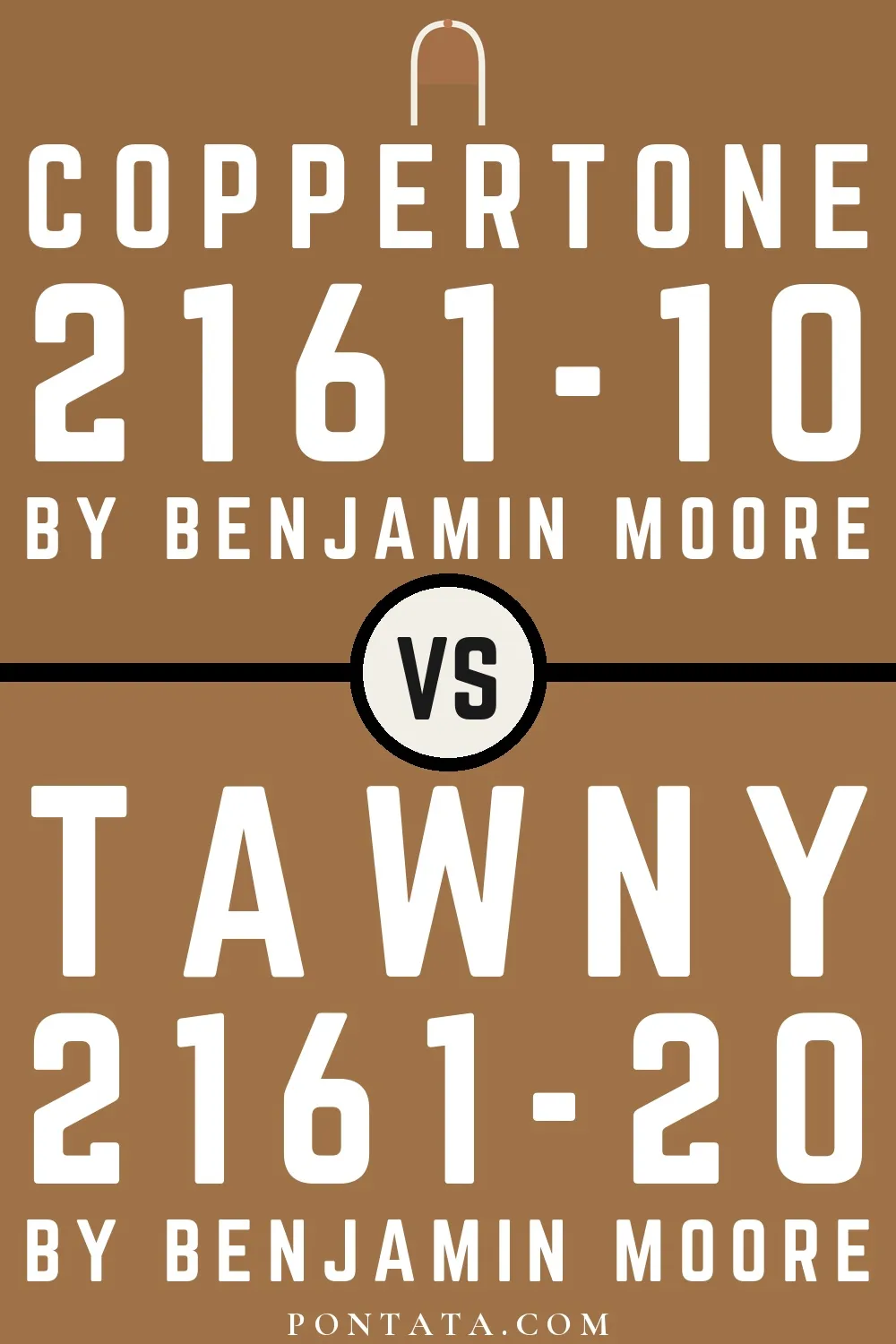
Their light reflectance is nearly identical (LRV 19 vs 17), so neither reads brighter in a room.
With LRVs of 19 and 19, the two reflect almost the same amount of light.


Color Codes
Manufacturer description
A classic cognac with faint orange undertones.