
Baby Bok Choy
Baby Bok Choy begins as a green color on paper, then shifts with every surface, shadow and neighboring material. Its beige, greige and yellow classifications hint at the directions it may take as daylight, lamps and neighboring colors move around it. Move between the room imagery, color measurements and coordinating shades to build a fuller sense of how it might live in your space.
Hex
#BBB98ALRV
47.14
Baby Bok Choy's Color Strip
Baby Bok Choy is the third shade on this 7-color strip, sitting between Shagreen and Ryegrass. The strip spans from Celery at the lightest end to Basque Green at the deepest. Browsing strip 154 alongside this color helps you gauge whether to go lighter, darker, or stay right here.


Baby Bok Choy in Rooms
Follow Baby Bok Choy from one space to another and watch how light, scale and surrounding materials reshape its character. 10 generated visualizations explore how the color might shape a finished room.
1 Front Door Photo
Baby Bok Choy (9037) can change noticeably under direct sun, porch shade and evening exterior light. Sample it beside the finishes that will remain in the room.
mediterranean front door featuring Baby Bok Choy by Sherwin-Williams
@mybudgetrecipes
1 Home Office Photo
The transition between focused work and the rest of the home can draw different notes from Baby Bok Choy (9037). The beige, greige, yellow hue classifications suggest the subtle directions the color may take as the room changes.

Sherwin-Williams Baby Bok Choy in a industrial home office
@mybudgetrecipes
1 Dining Room Photo
Baby Bok Choy (9037) moves through 1 dining room image without becoming a fixed prescription for the room. Its warm classification can feel inviting beside tactile, natural materials.

Baby Bok Choy paint in a parisian dining room
@mybudgetrecipes
1 Bathroom Photo
Against tile, stone, glass, timber and metal fixtures, Baby Bok Choy (9037) may feel quieter, sharper or more atmospheric than the digital swatch alone. An LRV of 47.1 lets the color hold its identity across both brighter and more shaded parts of the room.

Baby Bok Choy — traditional bathroom
@mybudgetrecipes
1 Bedroom Photo
Baby Bok Choy (9037) can change noticeably under gentle morning light and low evening lamps. Sample it beside the finishes that will remain in the room.

A industrial bedroom painted in Baby Bok Choy
@mybudgetrecipes
1 Living Room Photo
The beige, greige, yellow hue classifications suggest the subtle directions the color may take as the room changes. In this setting, let the movement from window light to lamplight and upholstery, timber, art and metal accents guide the final sample decision.

A contemporary living room painted in Baby Bok Choy
@mybudgetrecipes
1 Mudroom Photo
1 generated visualization explores how the color might shape the finished space. Together they show Baby Bok Choy (9037) as inspiration rather than a promise of an identical result.

Baby Bok Choy paint in a cottagecore mudroom
@mybudgetrecipes
1 Kitchen Photo
Baby Bok Choy (9037) brings its green character into a hardworking room where color meets movement and strong surfaces. Its midtone saturation keeps the color expressive without letting it dominate every surface around it.

Baby Bok Choy — contemporary kitchen
@mybudgetrecipes
1 House Photo
The façade’s movement through sun, shade and season can draw different notes from Baby Bok Choy (9037). The beige, greige, yellow hue classifications suggest the subtle directions the color may take as the room changes.

Baby Bok Choy color — traditional house inspiration
@mybudgetrecipes
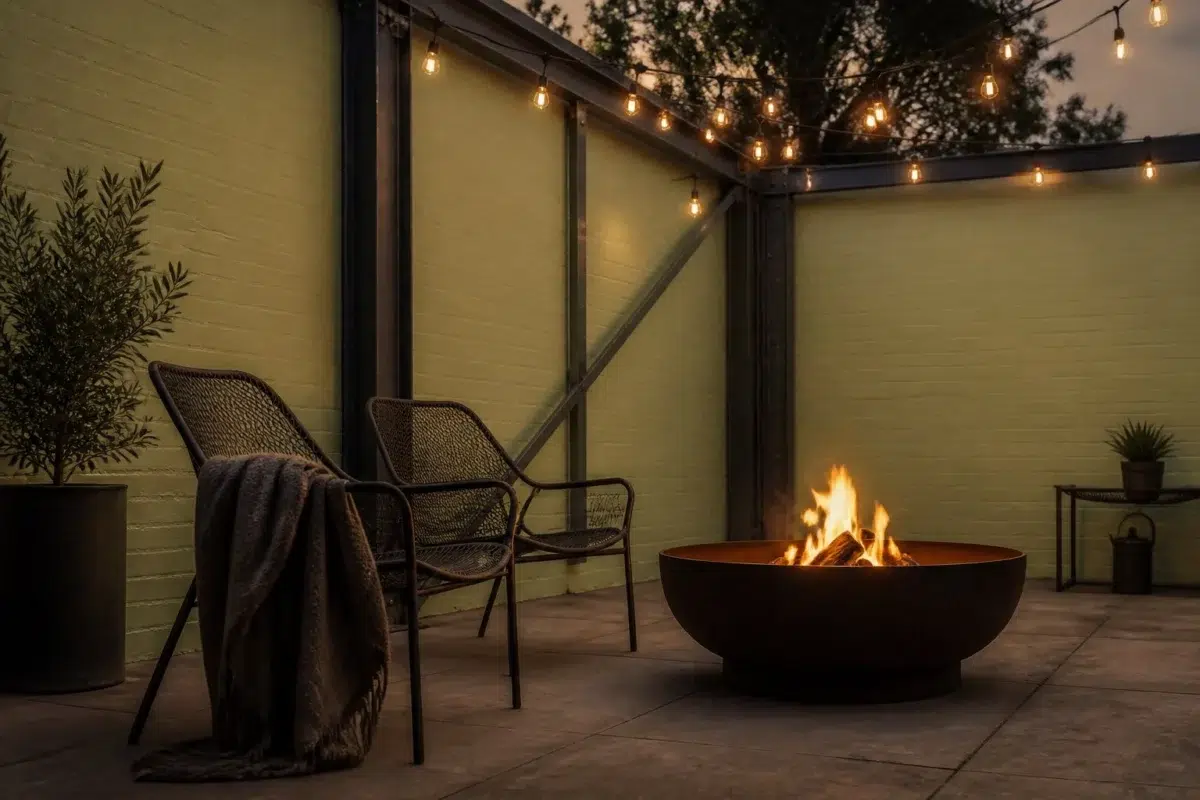
1 Patio Photo
1 patio image place Baby Bok Choy (9037) in an outdoor room surrounded by sky, planting and open light. An LRV of 47.1 lets the color hold its identity across both brighter and more shaded parts of the room.

industrial patio featuring Baby Bok Choy by Sherwin-Williams
@mybudgetrecipes
Expert Perspectives
Articles and features from across our network of home and design sites.
Coordinating Colors


At LRV 81 vs 47, Queen Anne's Lace is decisively the brighter choice.


Creamy reflects far more light (LRV 81 vs 47), opening up a space where Baby Bok Choy encloses it.

Their light reflectance is nearly identical (LRV 47 vs 46), so neither reads brighter in a room.
Trim Color
At LRV 81 vs 47, Queen Anne's Lace is decisively the brighter choice.
Similar Colors

A 7-point LRV gap (47 vs 40) makes Baby Bok Choy the marginally brighter of the two.


Baby Bok Choy reads slightly lighter (LRV 47 vs 43), a gap that shows most in low-lit rooms.


Shagreen reads slightly lighter (LRV 57 vs 47), a gap that shows most in low-lit rooms.

Their light reflectance is nearly identical (LRV 47 vs 45), so neither reads brighter in a room.


A 5-point LRV gap (47 vs 42) makes Baby Bok Choy the marginally brighter of the two.


A 7-point LRV gap (54 vs 47) makes Hearts Of Palm the marginally brighter of the two.


A 4-point LRV gap (51 vs 47) makes Recycled Glass the marginally brighter of the two.


Lemongrass reads slightly lighter (LRV 51 vs 47), a gap that shows most in low-lit rooms.


With LRVs of 47 and 44, the two reflect almost the same amount of light.


With LRVs of 47 and 46, the two reflect almost the same amount of light.
Complementary Colors


Baby Bok Choy reflects far more light (LRV 47 vs 20), opening up a space where Soulful Blue encloses it.


Baby Bok Choy reflects far more light (LRV 47 vs 28), opening up a space where Dusty Heather encloses it.

Baby Bok Choy reflects far more light (LRV 47 vs 12), opening up a space where Purple Passage encloses it.

At LRV 47 vs 4, Baby Bok Choy is decisively the brighter choice.


Baby Bok Choy reads slightly lighter (LRV 47 vs 35), a gap that shows most in low-lit rooms.

Baby Bok Choy reflects far more light (LRV 47 vs 13), opening up a space where Mesmerize encloses it.


Lady's Slipper reflects far more light (LRV 76 vs 47), opening up a space where Baby Bok Choy encloses it.
Lighter Colors


Acanthus reflects far more light (LRV 60 vs 47), opening up a space where Baby Bok Choy encloses it.
A 4-point LRV gap (51 vs 47) makes Recycled Glass the marginally brighter of the two.


Sagey reflects far more light (LRV 75 vs 47), opening up a space where Baby Bok Choy encloses it.

Sprout reflects far more light (LRV 76 vs 47), opening up a space where Baby Bok Choy encloses it.
Shagreen reads slightly lighter (LRV 57 vs 47), a gap that shows most in low-lit rooms.
Darker Colors
A 7-point LRV gap (47 vs 40) makes Baby Bok Choy the marginally brighter of the two.


Baby Bok Choy reflects far more light (LRV 47 vs 28), opening up a space where Tansy Green encloses it.


Baby Bok Choy reads slightly lighter (LRV 47 vs 36), a gap that shows most in low-lit rooms.


At LRV 47 vs 23, Baby Bok Choy is decisively the brighter choice.


At LRV 47 vs 28, Baby Bok Choy is decisively the brighter choice.
Color Codes
Manufacturer description
This soft, muted green with warm yellow undertones evokes the tender freshness of a spring garden just awakening after winter's sleep. Perfect for nurturing spaces like nurseries, bathrooms, or kitchens, it pairs beautifully with natural wood and warm whites to create an inviting, gentle atmosphere.