
Beige
Sherwin-Williams's Beige is a orange shade whose quieter details emerge through comparison. Its beige classifications hint at the directions it may take as daylight, lamps and neighboring colors move around it. 10 generated visualizations explore how the color might shape a finished room.
Hex
#DFC8B5LRV
60.33
Beige in Rooms
Follow Beige from one space to another and watch how light, scale and surrounding materials reshape its character. 10 generated visualizations explore how the color might shape a finished room.
1 Dining Room Photo
Across 1 dining room image, Beige (2859) meets natural light, candles and pendant lighting. Its warm classification can feel inviting beside tactile, natural materials.
Beige paint in a mid century dining room
@mybudgetrecipes
1 Bedroom Photo
1 bedroom image place Beige (2859) in a room designed around rest, softness and retreat. An LRV of 60.3 lets the color hold its identity across both brighter and more shaded parts of the room.

A industrial bedroom painted in Beige
@mybudgetrecipes
1 Bathroom Photo
In a compact setting where tile, fixtures and color sit close together, the most interesting quality of Beige (2859) may be the way it responds to tile, stone, glass, timber and metal fixtures. The beige hue classifications suggest the subtle directions the color may take as the room changes.

Beige — wabi-sabi bathroom
@mybudgetrecipes
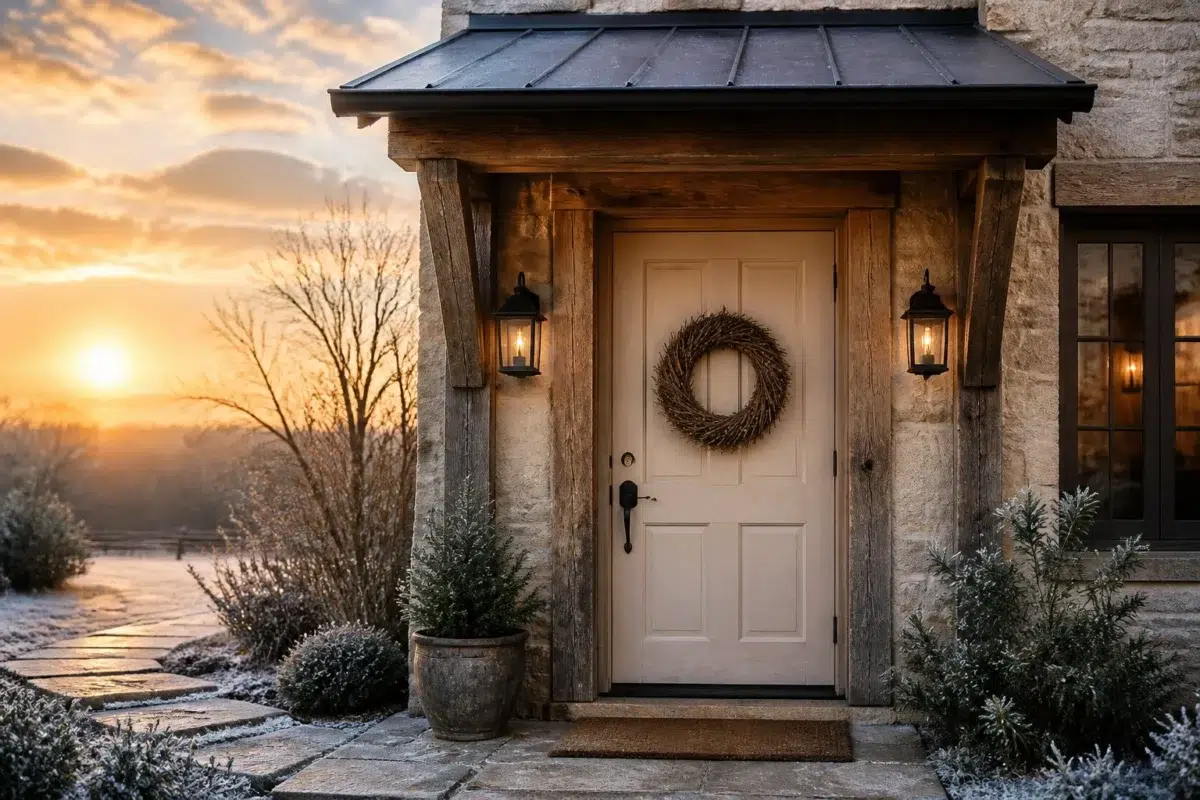
1 Front Door Photo
Beige (2859) brings its orange character into a small architectural moment with an outsized first impression. Its midtone saturation keeps the color expressive without letting it dominate every surface around it.

rustic modern front door featuring Beige by Sherwin-Williams
@mybudgetrecipes
1 Home Office Photo
1 generated visualization explores how the color might shape the finished space. Together they show Beige (2859) as inspiration rather than a promise of an identical result.

Sherwin-Williams Beige in a minimalist home office
@mybudgetrecipes
1 Kitchen Photo
1 kitchen image place Beige (2859) in a hardworking room where color meets movement and strong surfaces. An LRV of 60.3 lets the color hold its identity across both brighter and more shaded parts of the room.

Beige — minimalist kitchen
@mybudgetrecipes
1 Mudroom Photo
Across 1 mudroom image, Beige (2859) meets doorway light and the softer illumination of an internal passage. Its warm classification can feel inviting beside tactile, natural materials.

Beige paint in a traditional mudroom
@mybudgetrecipes
1 Living Room Photo
1 living room image place Beige (2859) in a space shaped by conversation, quiet evenings and changing daylight. An LRV of 60.3 lets the color hold its identity across both brighter and more shaded parts of the room.

A contemporary living room painted in Beige
@mybudgetrecipes
1 Patio Photo
Beige (2859) offers a starting mood rather than a finished formula: Its warm classification can feel inviting beside tactile, natural materials. Test it under direct sun, reflected daylight and deep exterior shade.

mediterranean patio featuring Beige by Sherwin-Williams
@mybudgetrecipes
1 House Photo
Beige (2859) can change noticeably under full daylight, cloud cover and long evening shadows. Sample it beside the finishes that will remain in the room.

Beige color — modern luxury house inspiration
@mybudgetrecipes
Expert Perspectives
Articles and features from across our network of home and design sites.
Coordinating Colors


A 11-point LRV gap (60 vs 50) makes Beige the marginally brighter of the two.


At LRV 60 vs 14, Beige is decisively the brighter choice.
Similar Colors

With LRVs of 60 and 60, the two reflect almost the same amount of light.

Their light reflectance is nearly identical (LRV 60 vs 60), so neither reads brighter in a room.


Their light reflectance is nearly identical (LRV 60 vs 60), so neither reads brighter in a room.


Their light reflectance is nearly identical (LRV 60 vs 58), so neither reads brighter in a room.


Their light reflectance is nearly identical (LRV 61 vs 60), so neither reads brighter in a room.


A 3-point LRV gap (60 vs 57) makes Beige the marginally brighter of the two.

A 6-point LRV gap (66 vs 60) makes Peach Fuzz the marginally brighter of the two.


Aristocrat Peach reads slightly lighter (LRV 65 vs 60), a gap that shows most in low-lit rooms.

A 4-point LRV gap (64 vs 60) makes Sweet Orange the marginally brighter of the two.
Complementary Colors


At LRV 77 vs 60, Glass Bead is decisively the brighter choice.


Beige reflects far more light (LRV 60 vs 29), opening up a space where Morning at Sea encloses it.


Beige reflects far more light (LRV 60 vs 6), opening up a space where Mount Etna encloses it.


Beige reflects far more light (LRV 60 vs 11), opening up a space where Rain Cloud encloses it.


Beige reflects far more light (LRV 60 vs 7), opening up a space where Sea Mariner encloses it.
Lighter Colors

Only Natural reads slightly lighter (LRV 67 vs 60), a gap that shows most in low-lit rooms.


A 12-point LRV gap (72 vs 60) makes Bauhaus Buff the marginally brighter of the two.


At LRV 74 vs 60, Moderate White is decisively the brighter choice.


With LRVs of 60 and 60, the two reflect almost the same amount of light.
Darker Colors


At LRV 60 vs 35, Beige is decisively the brighter choice.
A 11-point LRV gap (60 vs 50) makes Beige the marginally brighter of the two.


Beige reflects far more light (LRV 60 vs 40), opening up a space where Deer Valley encloses it.
Color Codes
Manufacturer description
This warm beige wraps spaces in the soft, honeyed light of late afternoon—its gentle orange undertone creates an inviting, approachable atmosphere that feels both timeless and lived-in. Perfect for living rooms and bedrooms seeking a balanced warmth, it pairs beautifully with cream accents and natural wood furnishings.
Attributed to Sherwin-Williams catalog data.