
Caribbean Coral
Caribbean Coral is a Orange paint color from Sherwin-Williams, but its character reaches beyond a single label. Its beige and pink classifications hint at the directions it may take as daylight, lamps and neighboring colors move around it. Move between the room imagery, color measurements and coordinating shades to build a fuller sense of how it might live in your space.
Hex
#BE795ELRV
25.43
Caribbean Coral in Rooms
Follow Caribbean Coral from one space to another and watch how light, scale and surrounding materials reshape its character. 10 generated visualizations explore how the color might shape a finished room.
1 Bathroom Photo
Caribbean Coral (2854) brings its orange character into a compact setting where tile, fixtures and color sit close together. Its midtone saturation keeps the color expressive without letting it dominate every surface around it.
Caribbean Coral — japandi bathroom
@mybudgetrecipes
1 Bedroom Photo
1 generated visualization explores how the color might shape the finished space. Together they show Caribbean Coral (2854) as inspiration rather than a promise of an identical result.

A art deco bedroom painted in Caribbean Coral
@mybudgetrecipes
1 Front Door Photo
1 front door image trace Caribbean Coral (2854) through the threshold between the street and the interior. Its place within Historic Exterior Color Wall and Organic hints at the range of palettes it can inhabit.

minimalist front door featuring Caribbean Coral by Sherwin-Williams
@mybudgetrecipes
1 Dining Room Photo
1 dining room image trace Caribbean Coral (2854) through the room’s change from everyday meals to evening occasions. Its place within Historic Exterior Color Wall and Organic hints at the range of palettes it can inhabit.

Caribbean Coral paint in a art deco dining room
@mybudgetrecipes
1 Home Office Photo
These 1 home office image show how Caribbean Coral (2854) can sit beside wood, paper, shelving and upholstered seating. The beige, pink hue classifications suggest the subtle directions the color may take as the room changes.

Sherwin-Williams Caribbean Coral in a moody home office
@mybudgetrecipes
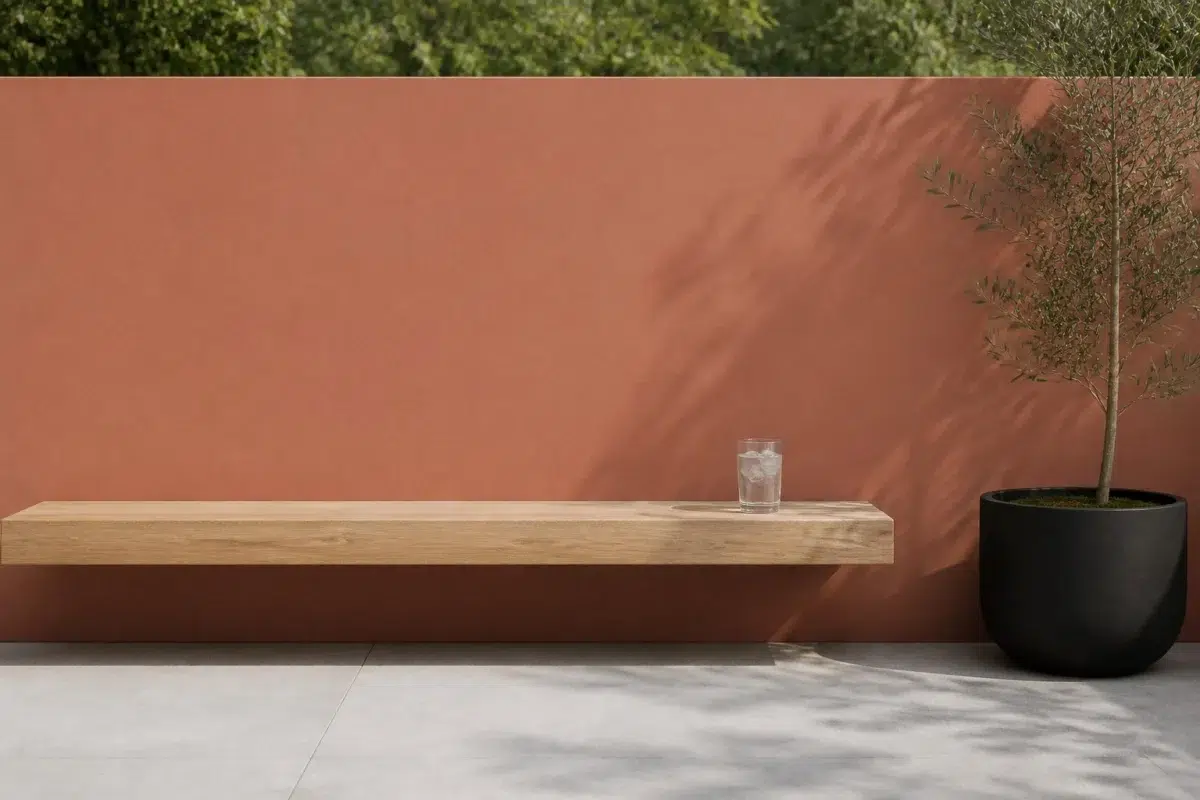
1 Patio Photo
Against stone, timber, metal, textiles and greenery, Caribbean Coral (2854) may feel quieter, sharper or more atmospheric than the digital swatch alone. An LRV of 25.4 lets the color hold its identity across both brighter and more shaded parts of the room.

minimalist patio featuring Caribbean Coral by Sherwin-Williams
@mybudgetrecipes
1 Mudroom Photo
1 mudroom image trace Caribbean Coral (2854) through the daily movement of arrivals, departures and changing weather. Its place within Historic Exterior Color Wall and Organic hints at the range of palettes it can inhabit.

Caribbean Coral paint in a coastal mudroom
@mybudgetrecipes
1 Living Room Photo
The room’s shift from daytime energy to evening calm can draw different notes from Caribbean Coral (2854). The beige, pink hue classifications suggest the subtle directions the color may take as the room changes.

A scandinavian living room painted in Caribbean Coral
@mybudgetrecipes
1 Kitchen Photo
In a hardworking room where color meets movement and strong surfaces, the most interesting quality of Caribbean Coral (2854) may be the way it responds to stone, timber, tile and metal finishes. The beige, pink hue classifications suggest the subtle directions the color may take as the room changes.

Caribbean Coral — minimalist kitchen
@mybudgetrecipes
1 House Photo
1 house image trace Caribbean Coral (2854) through the façade’s movement through sun, shade and season. Its place within Historic Exterior Color Wall and Organic hints at the range of palettes it can inhabit.

Caribbean Coral color — transitional house inspiration
@mybudgetrecipes
Expert Perspectives
Articles and features from across our network of home and design sites.
Coordinating Colors


Classical White reflects far more light (LRV 76 vs 25), opening up a space where Caribbean Coral encloses it.


Caribbean Coral reads slightly lighter (LRV 25 vs 20), a gap that shows most in low-lit rooms.
Similar Colors


With LRVs of 26 and 25, the two reflect almost the same amount of light.


Their light reflectance is nearly identical (LRV 27 vs 25), so neither reads brighter in a room.


With LRVs of 27 and 25, the two reflect almost the same amount of light.


Their light reflectance is nearly identical (LRV 25 vs 23), so neither reads brighter in a room.


A 3-point LRV gap (25 vs 22) makes Caribbean Coral the marginally brighter of the two.


Their light reflectance is nearly identical (LRV 28 vs 25), so neither reads brighter in a room.


With LRVs of 25 and 23, the two reflect almost the same amount of light.


Subdued Sienna reads slightly lighter (LRV 32 vs 25), a gap that shows most in low-lit rooms.


A 4-point LRV gap (29 vs 25) makes Emberglow the marginally brighter of the two.


Caribbean Coral reads slightly lighter (LRV 25 vs 20), a gap that shows most in low-lit rooms.
Complementary Colors


At LRV 53 vs 25, Niebla Azul is decisively the brighter choice.


Silver Lake reflects far more light (LRV 53 vs 25), opening up a space where Caribbean Coral encloses it.


Caribbean Coral reads slightly lighter (LRV 25 vs 16), a gap that shows most in low-lit rooms.


Glass Bead reflects far more light (LRV 77 vs 25), opening up a space where Caribbean Coral encloses it.


A 4-point LRV gap (29 vs 25) makes Morning at Sea the marginally brighter of the two.


At LRV 25 vs 6, Caribbean Coral is decisively the brighter choice.


A 8-point LRV gap (34 vs 25) makes Debonair the marginally brighter of the two.
Lighter Colors

At LRV 46 vs 25, Trek Tan is decisively the brighter choice.


Mellow Mauve reads slightly lighter (LRV 35 vs 25), a gap that shows most in low-lit rooms.


Rose Tan reflects far more light (LRV 38 vs 25), opening up a space where Caribbean Coral encloses it.


A 8-point LRV gap (34 vs 25) makes Constant Coral the marginally brighter of the two.


Coral Island reads slightly lighter (LRV 36 vs 25), a gap that shows most in low-lit rooms.
Darker Colors


Caribbean Coral reads slightly lighter (LRV 25 vs 14), a gap that shows most in low-lit rooms.

Caribbean Coral reads slightly lighter (LRV 25 vs 20), a gap that shows most in low-lit rooms.


Caribbean Coral reflects far more light (LRV 25 vs 12), opening up a space where Sierra Redwood encloses it.

A 10-point LRV gap (25 vs 15) makes Caribbean Coral the marginally brighter of the two.

A 7-point LRV gap (25 vs 19) makes Caribbean Coral the marginally brighter of the two.
Color Codes
Manufacturer description
This vibrant midtone coral glows with tropical warmth and sun-kissed energy, evoking sandy shores and sunset skies reflected in crystalline waters. Perfect for energizing a kitchen, bathroom, or accent wall, it pairs beautifully with whites, soft blues, and natural wood tones to create an inviting, resort-like atmosphere.
Attributed to Sherwin-Williams catalog data.