Old Silk vs Pale Green
Old Silk (PPG) and Pale Green (RAL Classic) come from different manufacturers. Hue-wise, Old Silk belongs to the blue-grey family and Pale Green to the green family. The 14-point LRV gap — 31 for Pale Green vs 17 for Old Silk — means Pale Green will open up a space more effectively. A ΔE of 28.1 puts these firmly in different territory — two distinct design choices rather than close alternatives. Below you'll find 6 real-room photo comparisons where both colors appear side by side, plus 5 simulated room previews.
Old Silk vs Pale Green in Real Spaces
6 real rooms side by side. Seeing Old Silk and Pale Green in actual rooms makes the difference concrete; browse the spaces below to get a feel for how each color lives on a wall.
Living Room
A living room wall sees more varied light than almost any other surface in the house, which makes the choice between these two more nuanced than a chip suggests. Pale Green reflects noticeably more light off the walls, making the space read more open than Old Silk.


Bedroom
Bedrooms are typically lit with warmer, lower light than the rest of the house — a condition that flatters warm tones and deepens cool ones. Pale Green returns significantly more light to the room — in a smaller or darker space, that difference in perceived brightness is hard to miss.


Kitchen
Kitchens often have the harshest, most revealing light in the house — under-cabinet LEDs and overhead fixtures that strip away subtlety. Pale Green returns significantly more light to the room — in a smaller or darker space, that difference in perceived brightness is hard to miss.


Home Office
Home office walls matter more than most — you're looking at them all day, and a color that reads fine at first can become tiring over time. Pale Green returns significantly more light to the room — in a smaller or darker space, that difference in perceived brightness is hard to miss.


House
A full exterior is the most demanding test for a paint color — scale and outdoor light both amplify differences that seem small on a swatch. Pale Green returns significantly more light to the room — in a smaller or darker space, that difference in perceived brightness is hard to miss.


Front Door
On a front door, the color is both the first and last thing you see — a context where even a modest tonal difference reads clearly. Pale Green reflects noticeably more light off the walls, making the space read more open than Old Silk.


Color Details
Old Silk vs Pale Green Simulated Comparison
5 simulated room previews — drag the slider on each to see Old Silk on one side and Pale Green on the other.


Digital color is approximate. These simulations are generated from the manufacturer's hex values and overlaid on grayscale room photos — your screen's calibration, brightness, and viewing angle all affect how they render. Before committing to either color, test physical samples in your own space under the light you actually live with.
More Old Silk comparisons
See how Old Silk stacks up against other well-photographed colors across different brands and tones.




At LRV 83 vs 17, White Dove is decisively the brighter choice.



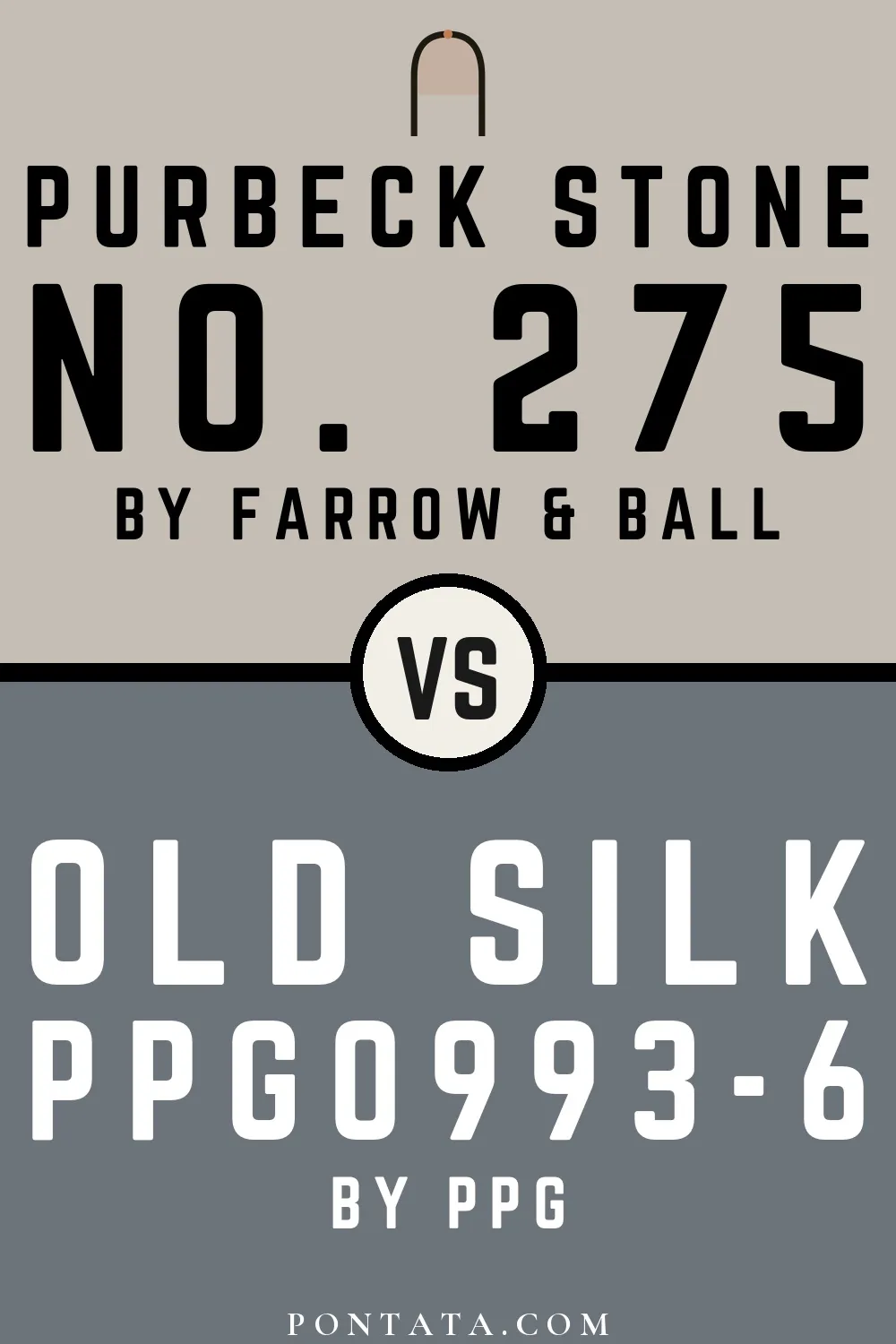
Purbeck Stone reflects far more light (LRV 52 vs 17), opening up a space where Old Silk encloses it.

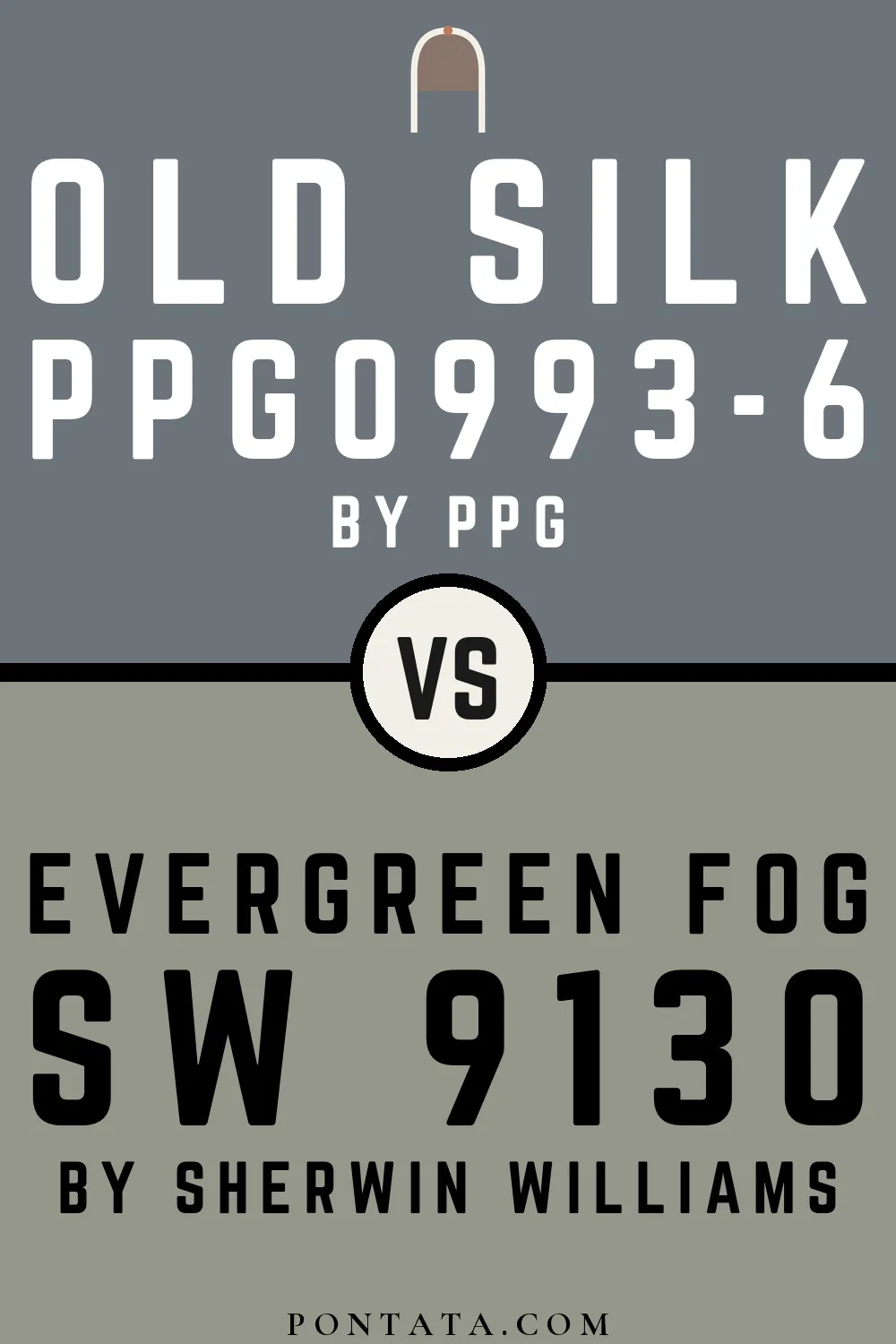
Evergreen Fog reflects far more light (LRV 30 vs 17), opening up a space where Old Silk encloses it.


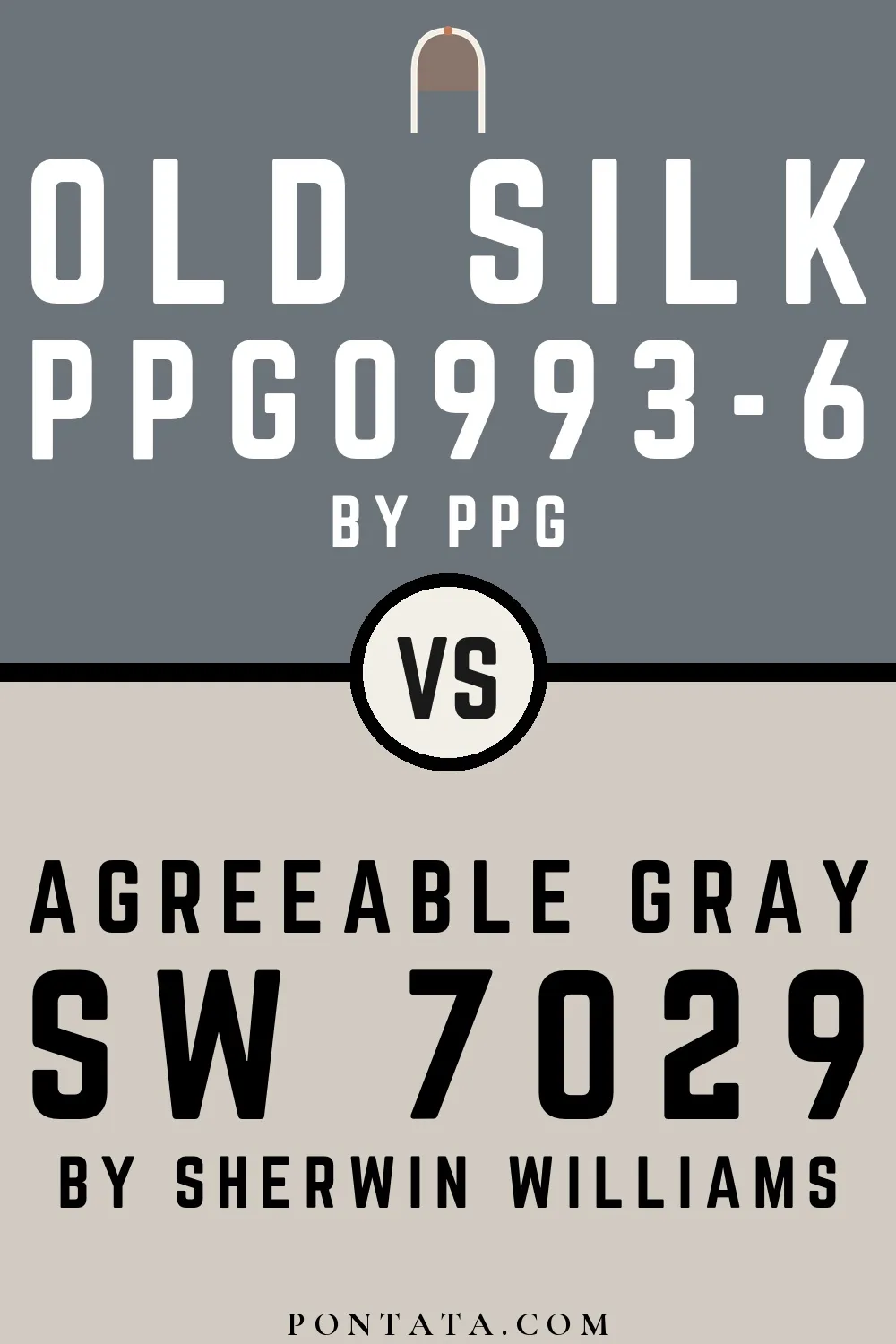
Agreeable Gray reflects far more light (LRV 60 vs 17), opening up a space where Old Silk encloses it.

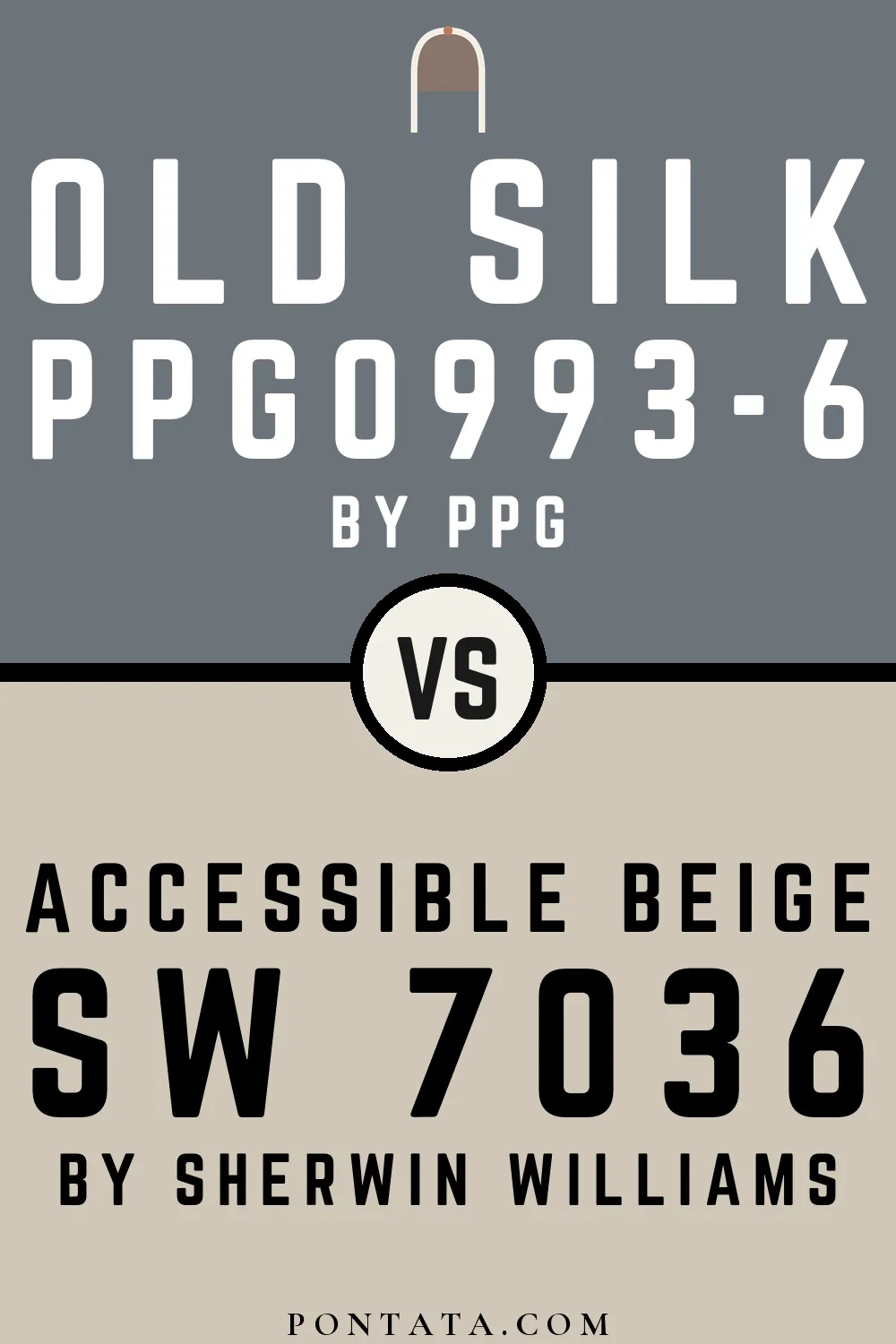
At LRV 58 vs 17, Accessible Beige is decisively the brighter choice.

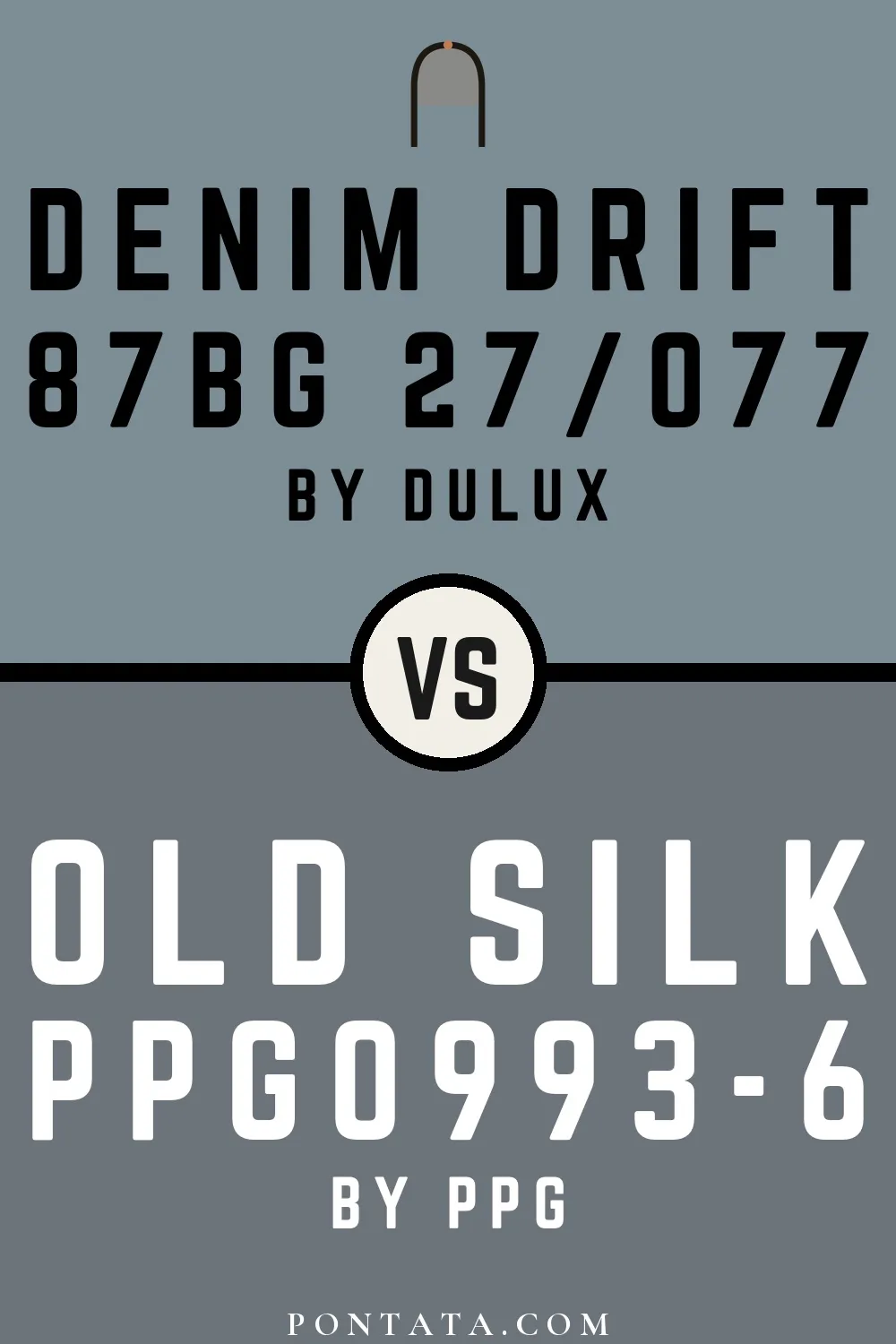

A 10-point LRV gap (27 vs 17) makes Denim Drift the marginally brighter of the two.

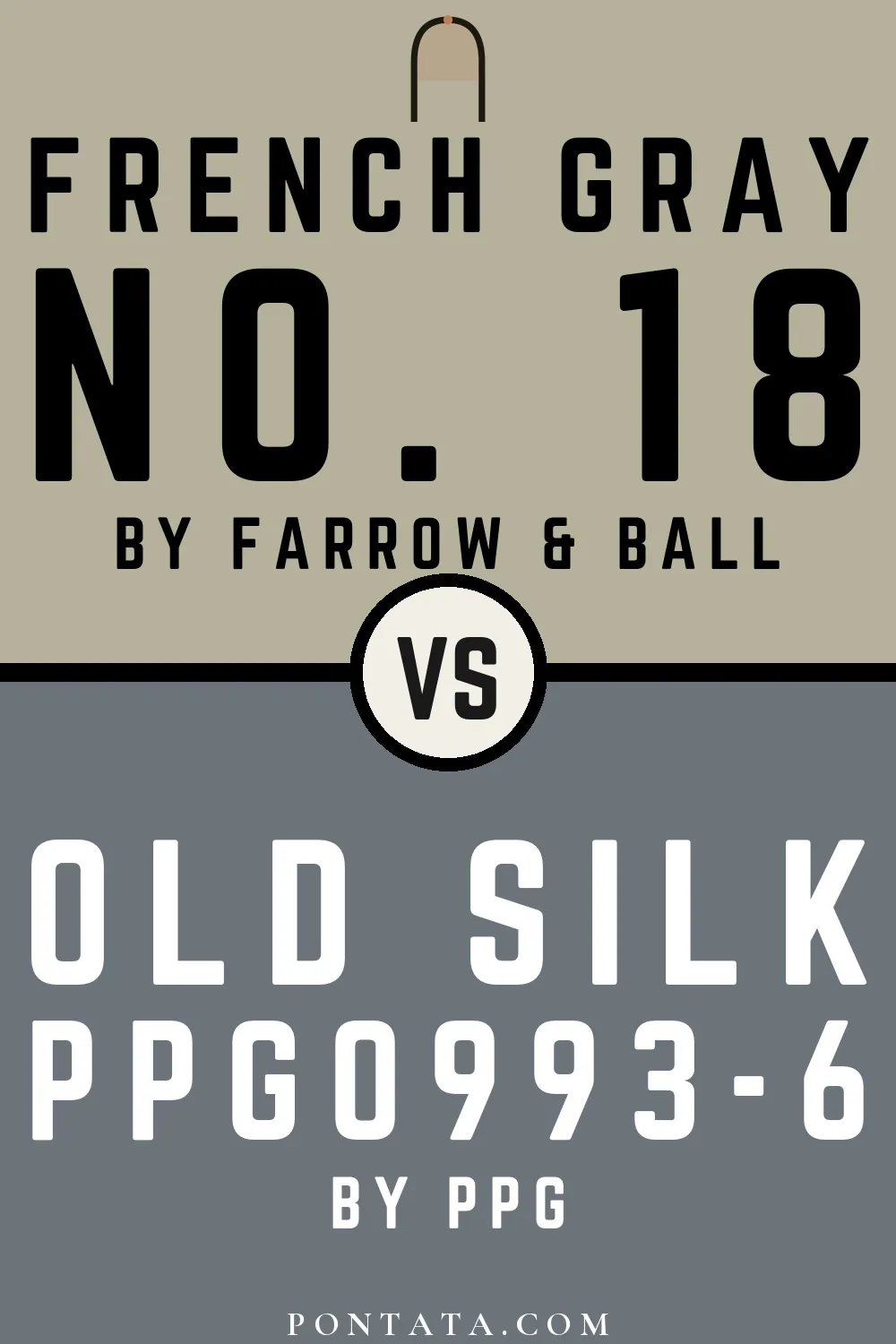
French Gray reflects far more light (LRV 43 vs 17), opening up a space where Old Silk encloses it.

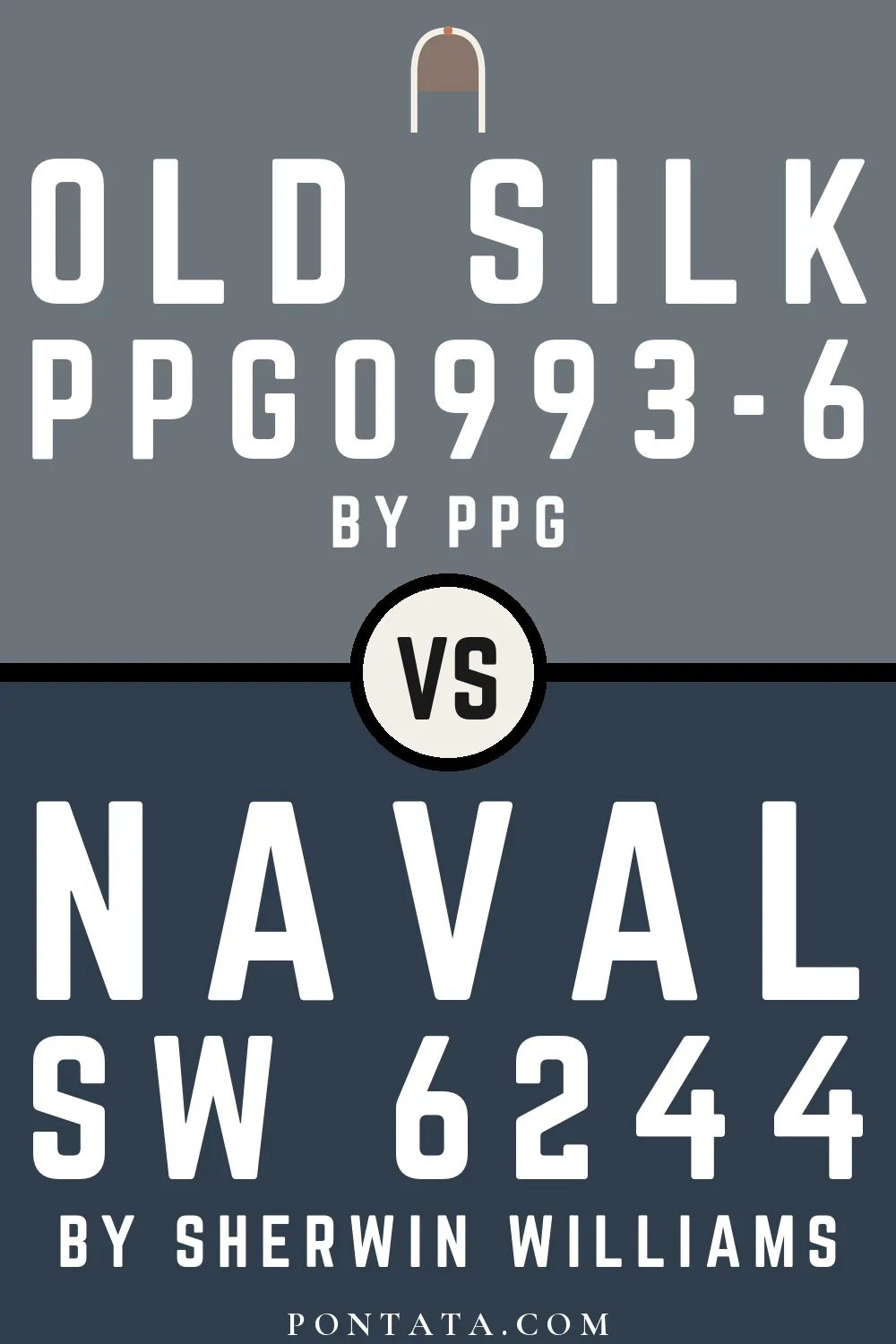

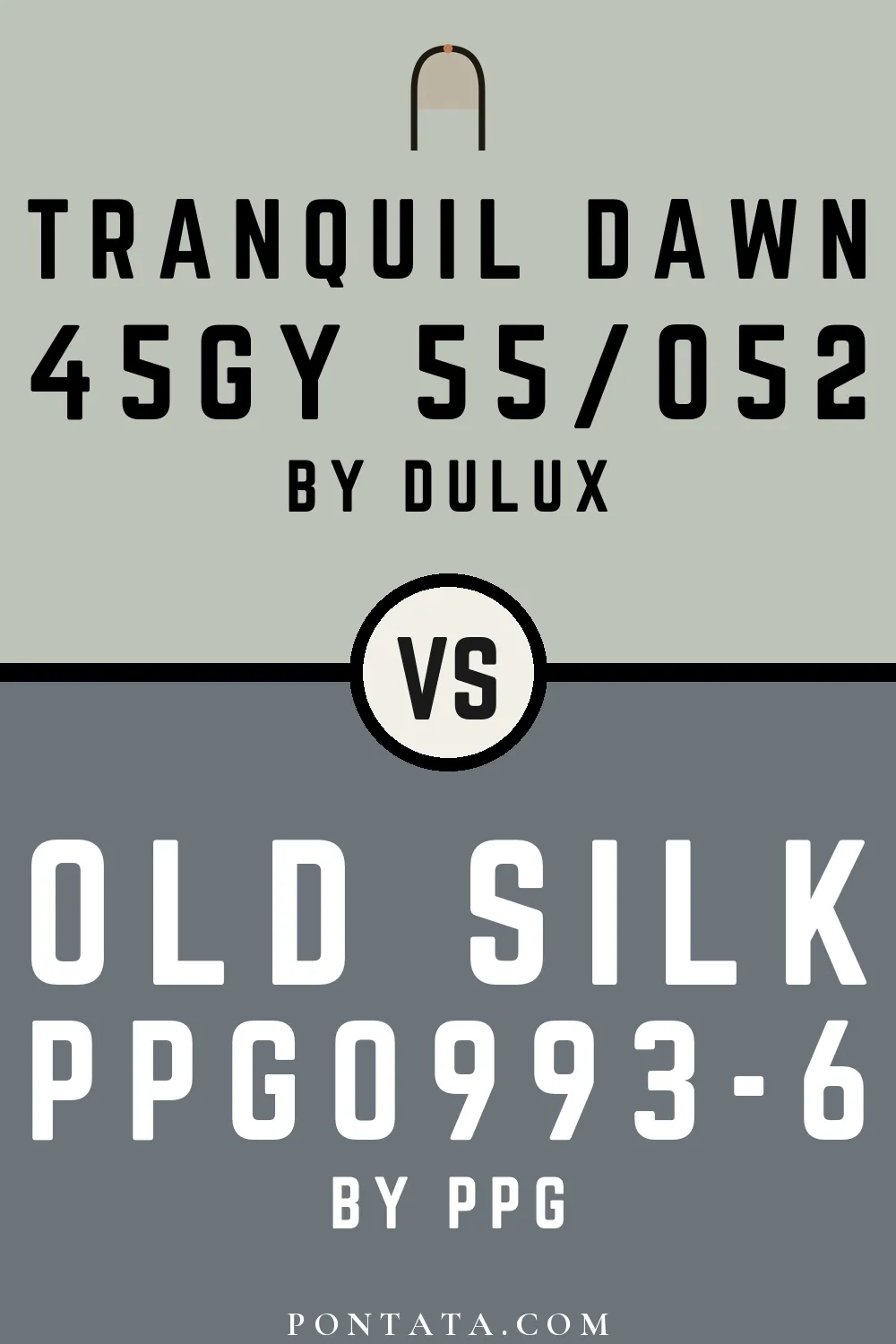
At LRV 55 vs 17, Tranquil Dawn is decisively the brighter choice.

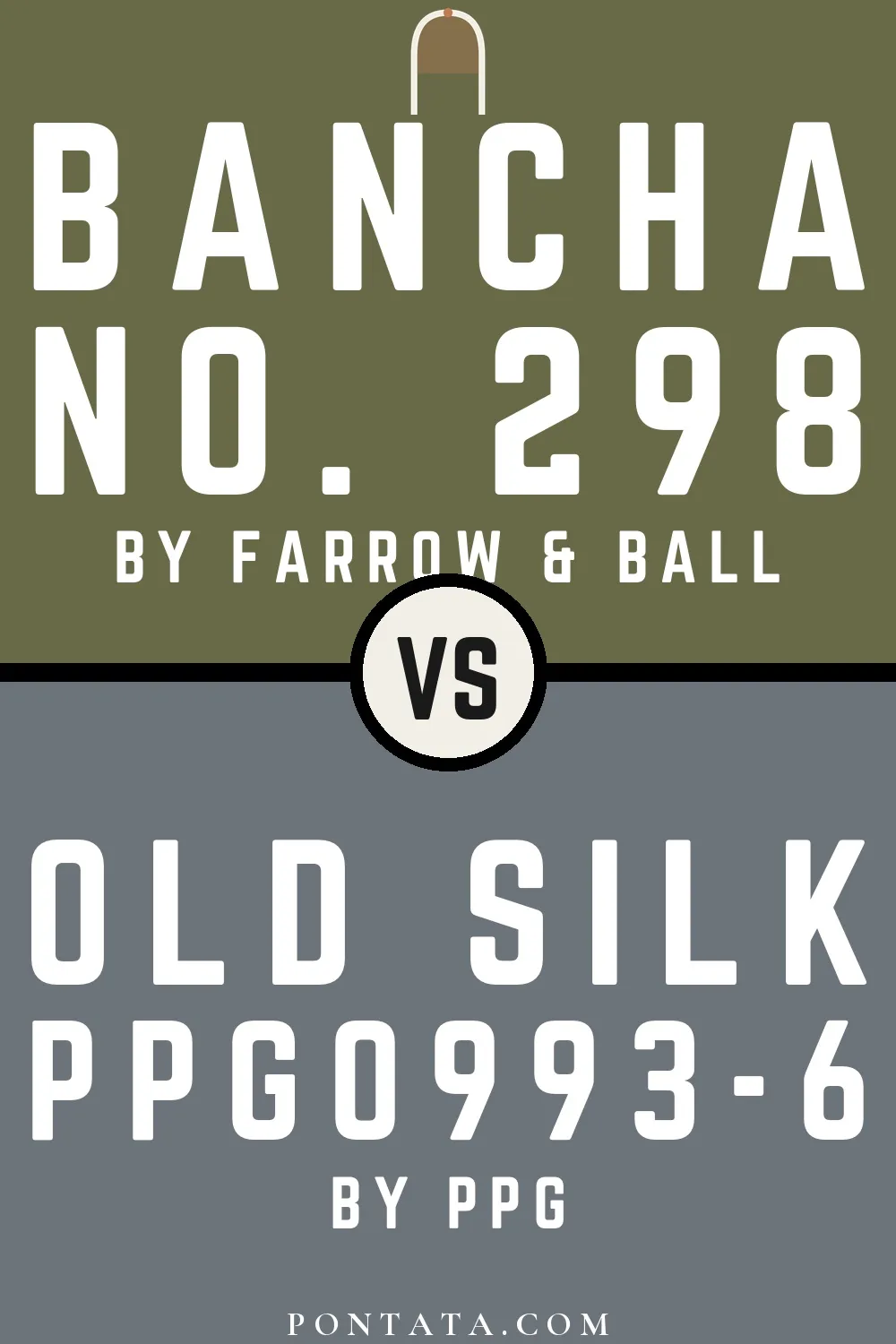

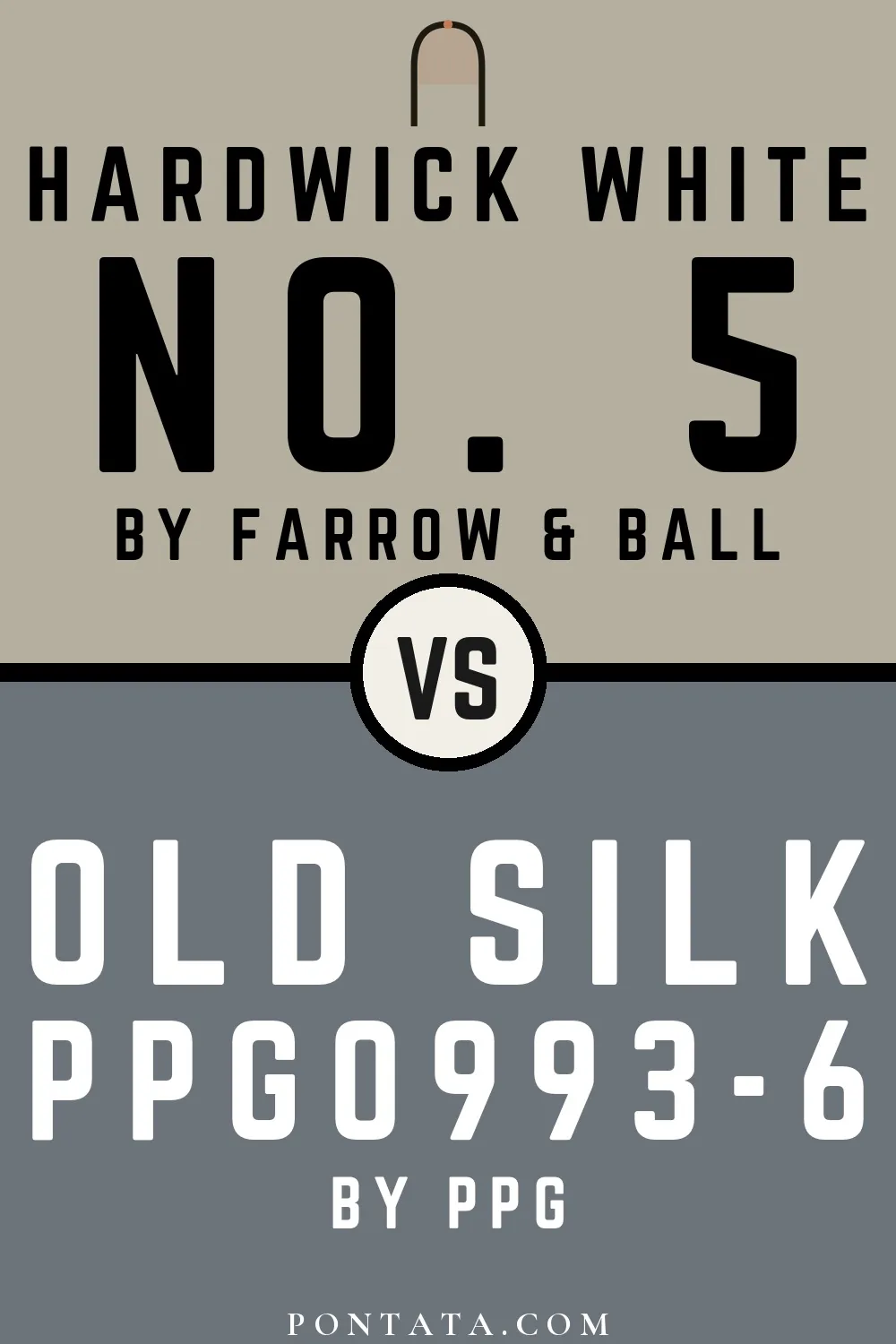
At LRV 44 vs 17, Hardwick White is decisively the brighter choice.

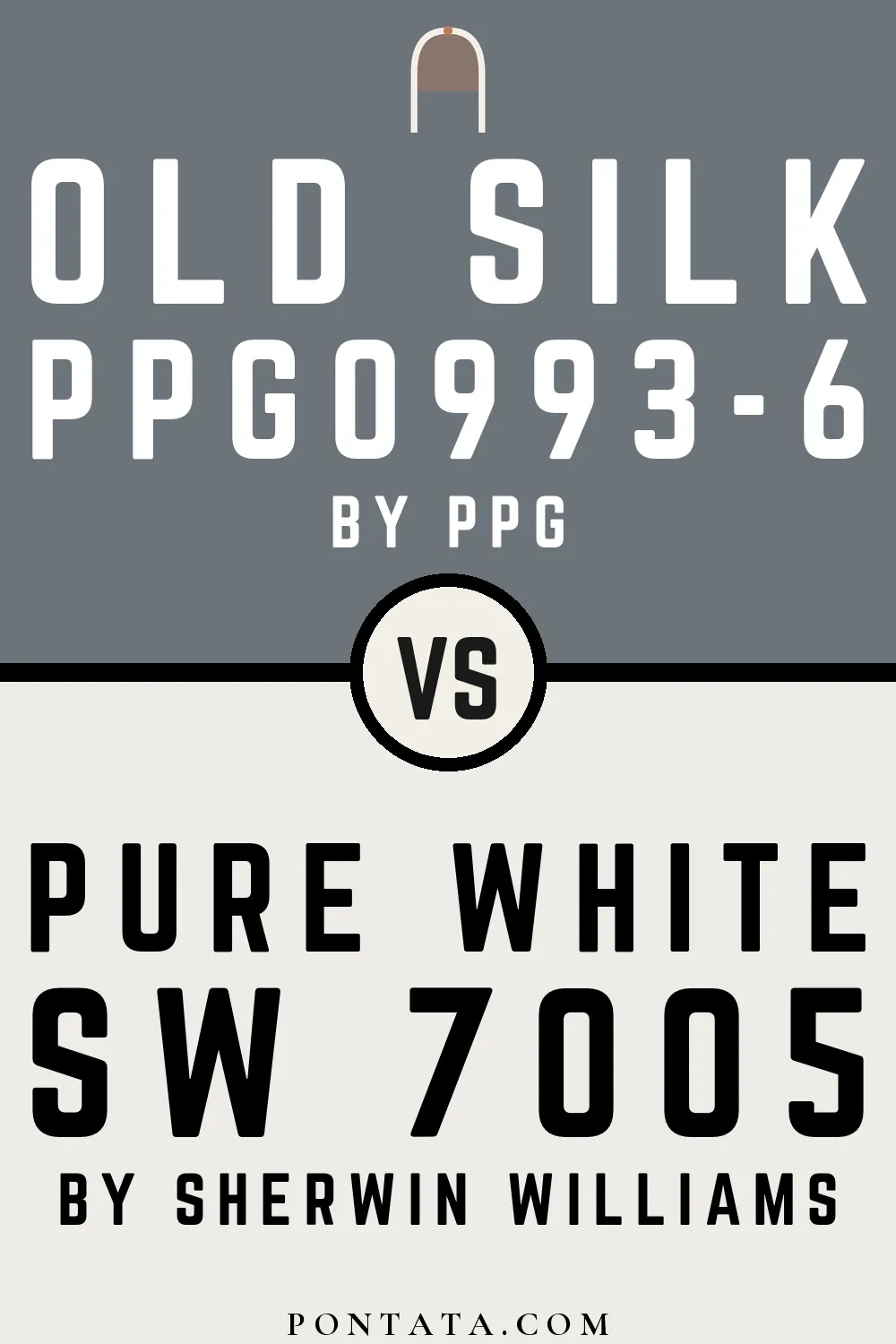
Pure White reflects far more light (LRV 84 vs 17), opening up a space where Old Silk encloses it.


At LRV 66 vs 17, Balboa Mist is decisively the brighter choice.

At LRV 74 vs 17, Shoji White is decisively the brighter choice.



A 5-point LRV gap (17 vs 12) makes Old Silk the marginally brighter of the two.

A 9-point LRV gap (17 vs 8) makes Old Silk the marginally brighter of the two.

At LRV 68 vs 17, Skimming Stone is decisively the brighter choice.



A 5-point LRV gap (17 vs 12) makes Old Silk the marginally brighter of the two.


At LRV 45 vs 17, Saybrook Sage is decisively the brighter choice.

Old Silk reads slightly lighter (LRV 17 vs 7), a gap that shows most in low-lit rooms.